
From booking Nassau County venues to confirming vendors the week before — here's the planning checklist that actually covers everything.
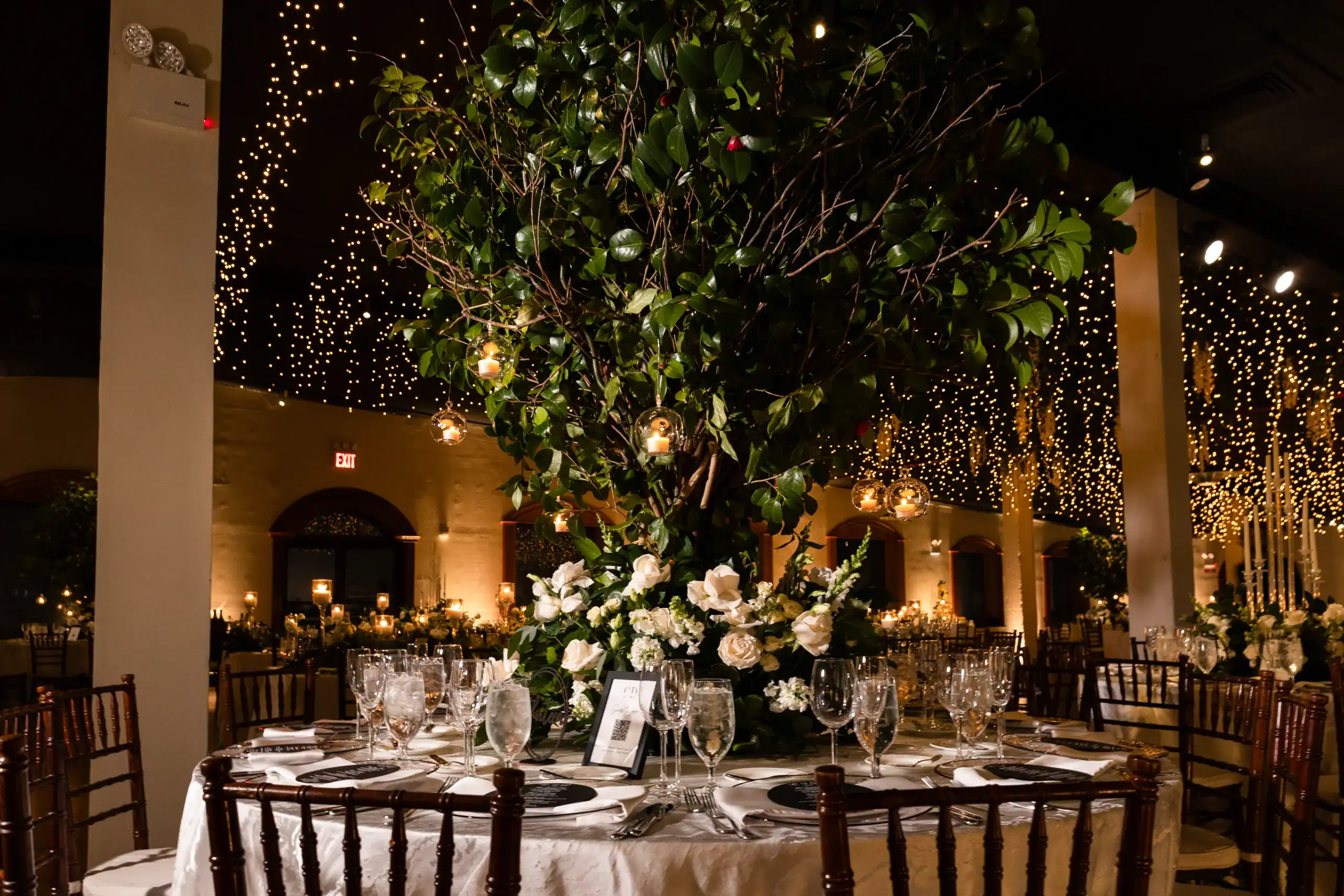
You got engaged. Congratulations — now the spreadsheets start. If you’ve already opened three browser tabs of wedding checklists and closed them feeling more overwhelmed than when you started, you’re not alone. Most of what’s out there is either too vague to be useful or too generic to apply to Nassau County and what your wedding actually looks like. This checklist is different. It’s built around the way weddings work here — the booking timelines, the vendor landscape, the family expectations, and the moments that tend to go sideways when no one’s managing the details. Here’s what you actually need to know.
The reason most checklists fall short isn’t the list itself — it’s the lack of context around it. Knowing you need to book a florist is obvious. Knowing that Nassau County florists with strong reputations fill their Saturday calendars 10 to 14 months out is the part that actually changes your behavior.
Start with the anchors: venue, date, and rough guest count. Everything else — catering, photography, florals, music, transportation — gets built around those three decisions. In Nassau County, where Long Island weddings average over 120 guests and popular venues like the Garden City Hotel or Engineers Country Club in Roslyn book well in advance, locking in your venue early isn’t a suggestion. It’s the move that makes the rest of the checklist possible.
Once the venue is set, the next six months are about building your vendor team, finalizing your design direction, and making decisions while you still have options. The final stretch — roughly the last 60 days — is about confirmation, communication, and making sure every person involved knows exactly where to be and when.

A wedding planning timeline spreadsheet sounds more complicated than it is. At its core, it’s just a running document that maps every task to a deadline, tracks which vendors are confirmed, and keeps your budget in one place instead of scattered across your inbox. The couples who arrive at their wedding week calm are almost always the ones who built this early and actually used it.
The most useful version has five columns: the task itself, the deadline, the vendor or contact responsible, the current status, and any notes or open questions. That last column is where things like “need to confirm final headcount by this date” or “waiting on contract revision” live — the small details that are easy to forget but expensive to miss.
Here’s what the timeline looks like in practice. At 12 months out, you’re booking the venue, setting your budget, and starting your guest list. At nine to ten months, you’re locking in your photographer, caterer, and any vendors that book far in advance. At six to seven months, you’re finalizing florals, music, and your wedding party details. At three to four months, you’re sending invitations, scheduling hair and makeup trials, and confirming your ceremony logistics. At six to eight weeks out, you’re collecting RSVPs, building your seating chart, and distributing your day-of timeline to every vendor. The final two weeks are for confirmations, gratuity envelopes, and making sure nothing is waiting on a response.
What most spreadsheets miss is the design side. Logistics and aesthetics aren’t separate tracks — they have to be built together. When the florals are decided, it affects the lighting plan. When the floor plan is set, it shapes the timeline for vendor load-in. Working with someone who handles both planning and design means those decisions get made in the right order, not patched together at the end.
Nine months is enough time to plan a beautiful wedding in Nassau County. It’s not a lot of margin, but it’s workable — as long as you treat the first four weeks after your engagement like the 12-month version of months one through three. Speed matters early. Flexibility matters throughout.
In the first month, your priorities are venue, date, and a rough budget. If your preferred venue is already booked on your date, have two or three backup dates ready before you make that first call. Popular spring and fall weekends on Long Island move fast, and waiting a few weeks to “think about it” can cost you the venue entirely.
By months seven and eight, you want your photographer, caterer, officiant, and entertainment locked in. These are the vendors that book furthest out, and in a competitive market like Nassau County, the best ones rarely have last-minute availability. Florals, hair and makeup, and transportation can usually be confirmed a little later — but not much.
Months five and six are for the details that feel secondary but aren’t: invitations (which need to go out 8 to 10 weeks before the wedding), hotel room blocks for out-of-town guests, and your ceremony rehearsal logistics. If you have guests traveling from New York City — which is common for Nassau County weddings — coordinating shuttle loops and hotel accommodations near the venue takes more lead time than most couples expect.
The final three months look the same whether you started at 12 months or nine: RSVPs, seating chart, final vendor confirmations, and a detailed day-of timeline distributed to everyone involved. The timeline is what holds the day together. Without it, even a well-planned wedding can feel chaotic.
One honest note: nine months is manageable, but it leaves less room for vendor changes, budget adjustments, or second thoughts. If you find yourself making decisions under pressure, that’s when having a professional in your corner — someone who knows the local vendor landscape and can move quickly — makes the biggest difference.
Want live answers?
Connect with a Debbie Hart Celebrations expert for fast, friendly support.
The wedding day checklist is the one most couples underestimate. By the time the day arrives, you’ve made hundreds of decisions — but the day still has to be executed. And execution is its own discipline.
A well-run wedding day doesn’t happen because everything went perfectly. It happens because someone built buffer time into the schedule, confirmed every vendor the week before, and had a plan for the moments that didn’t go according to plan. That someone should not be you, the couple, or your parents. It should be a professional whose only job that day is to make sure the day runs.
Here’s what a complete wedding day checklist actually covers — not as a bullet list, but as a sequence of decisions made well in advance.

The week before your wedding is not the time to assume everything is set. It’s the time to confirm it. Every vendor on your list — photographer, caterer, florist, DJ or band, transportation, hair and makeup — should receive a confirmation call or email no later than five to seven days before the event. That confirmation should include the exact arrival time, the venue address, a point-of-contact name and number for the day, and any last-minute updates to the timeline or guest count.
The day-of timeline itself should be distributed to vendors at least one week out, not the morning of. A good timeline doesn’t just list ceremony and reception times — it maps vendor arrival windows, load-in sequences, photography shot list timing, and transition points throughout the night. For a Nassau County wedding with over 120 guests and multiple vendors moving in and out of the same space, that level of detail is what separates a smooth event from a stressful one.
Build cushion into every transition. The standard advice — and it holds up — is to add 15 to 20 minutes of buffer around anything that involves moving people: the ceremony processional, the transition from cocktail hour to the reception, the first dance, the cake cutting. Guests don’t move on cue, and small delays compound quickly without buffer time built in.
The day before, pack your emergency kit: fashion tape, safety pins, a stain remover pen, pain reliever, phone charger, a small snack, and anything specific to your wedding attire or venue. Prepare your gratuity envelopes with each vendor’s name written on the outside and designate someone — your coordinator, your maid of honor, your best man — to distribute them at the end of the night. These are the details that feel small in the months of planning and enormous if they’re forgotten on the day.
The most common misconception about day-of coordination is that it starts the day of. It doesn’t — not if it’s done right. By the time your coordinator arrives at the venue on your wedding morning, they should already know your vendor team, your timeline, your floor plan, your family dynamics, and every open question that was still unresolved two weeks before. The handoff from planning to execution takes time. A coordinator who shows up cold on the morning of your wedding is starting too late.
In Nassau County, where weddings often involve large guest lists, multiple vendor types, and venues that require detailed load-in coordination, the difference between a coordinator who prepared and one who didn’t is visible from the first hour. Vendors need a single point of contact who knows the answers without making calls. Family members need someone to redirect their questions so the couple isn’t managing logistics during their own reception. That’s what real day-of coordination looks like.
There’s also the venue coordinator question, which comes up often. Your venue coordinator works for the venue. They manage what happens within the venue’s walls and according to the venue’s policies. They are not managing your florist’s delivery window, your photographer’s shot list, or the shuttle timing for guests coming in from Queens or Brooklyn. We manage the full picture — every vendor, every timeline, every moving part — on your behalf.
We’ve been planning weddings across Nassau County since 1997, and the weddings that run most smoothly are the ones where someone took ownership of the details long before the wedding day arrived. Not because the couples weren’t capable — they were. But because planning a wedding well is a different skill set than being organized, and the two aren’t the same thing.
A checklist is only as useful as the context around it. The tasks matter, but so does the sequence, the local knowledge, and the judgment calls that no list can make for you. Nassau County has one of the most competitive wedding markets in the country — excellent venues, talented vendors, and couples who have high expectations for both. That’s a good thing. It also means the margin for late decisions and missed confirmations is smaller than most checklists account for.
The couples who enjoy their planning process — and there are plenty of them — tend to have one thing in common. They stopped trying to manage every detail themselves and found someone they trusted to carry it with them. Not someone who took over, but someone who made sure nothing fell through.
If you’re in the early stages and wondering where to start, or if you’re six months in and feeling like things are slipping, we’re based right here in Syosset and have been helping Nassau County couples plan weddings they’re still talking about for over 30 years. Reach out and tell us where you are in the process. We’ll take it from there.
Summary:


Article details:
Share:
