
Getting engaged is exciting. Figuring out what to do next — and when — is where most couples get stuck. This guide fixes that.
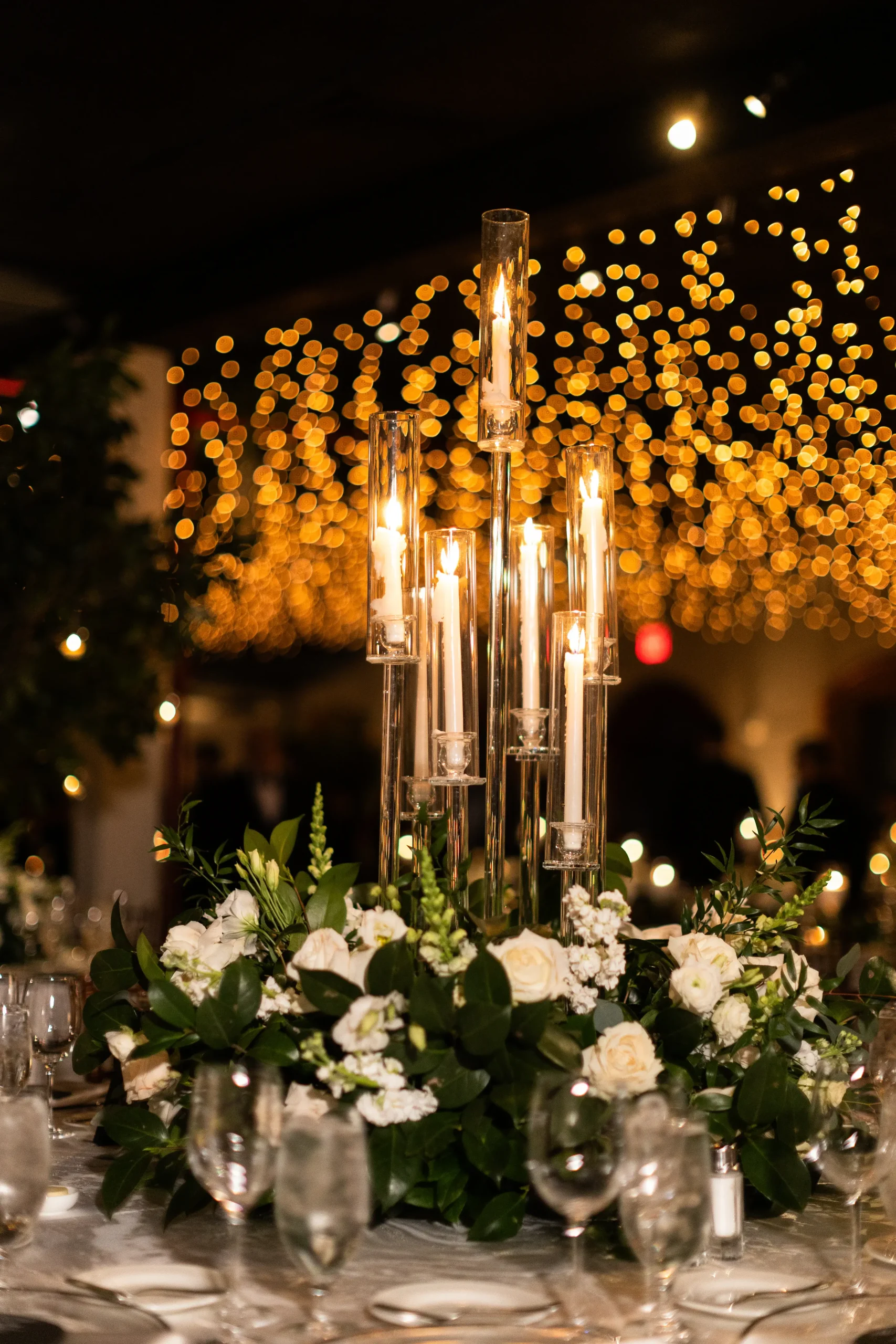
Most couples spend the first few weeks after getting engaged in a kind of happy fog — telling family, taking pictures, maybe scrolling through venues online. Then reality sets in. There are hundreds of decisions to make, vendors to research, contracts to read, and timelines to build — and nobody handed you a manual.
The good news is that wedding planning isn’t complicated when you know the right order. The stress comes from doing things out of sequence, starting too late, or not knowing what you don’t know yet. This guide lays out a clear, realistic wedding timeline so you can move through the planning process with confidence instead of constantly feeling behind.
The biggest mistake couples make isn’t forgetting something — it’s doing things in the wrong order. Booking a caterer before you have a venue, for example, means you may end up with a vendor who can’t even work at the space you eventually choose. Or falling in love with a florist whose aesthetic doesn’t match your venue’s layout. Sequence is everything.
A month-by-month wedding planning checklist gives you more than a to-do list. It gives you a framework for making decisions in the right sequence so each choice supports the next one. When the planning process flows correctly, the whole thing feels manageable — even for a large-scale event with 150 guests, a full design buildout, and a dozen vendors to coordinate.
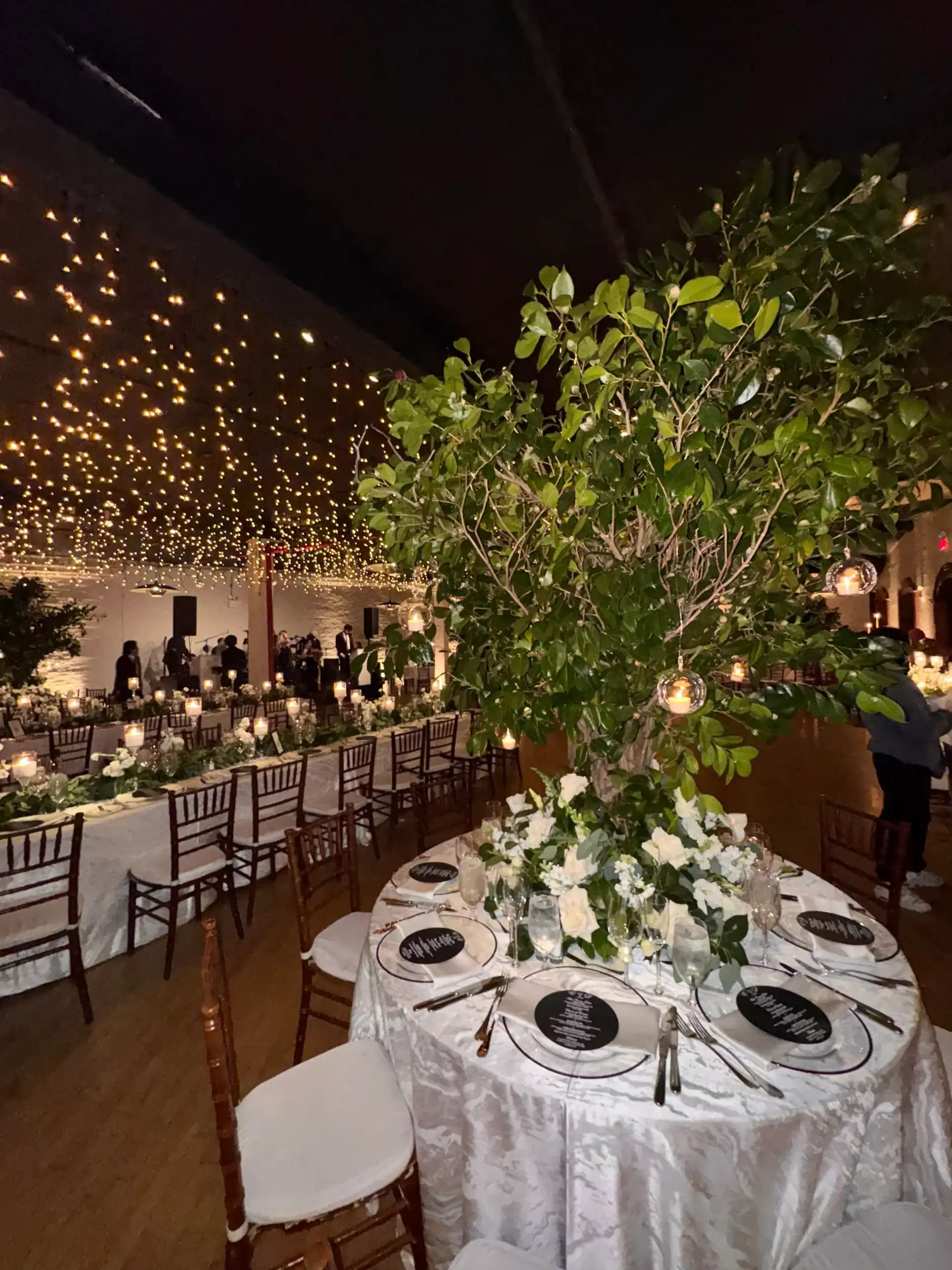
If you’re starting about a year out — which is the right time to start in a competitive market like Nassau County — here’s how the planning process should unfold.
Months 12 through 10 are about the big foundational decisions. Set your overall budget first, because every vendor conversation that follows will hinge on it. Then lock in your venue. This is the most time-sensitive task on the entire list. Popular venues across Nassau County — from waterfront estates to hotel ballrooms in Garden City — book up 12 to 18 months in advance for peak-season dates, especially September and October. Once the venue is confirmed, you have a date, and everything else can fall into place around it. This is also when to book your photographer and videographer, since the best ones fill their calendars early.
Months 9 through 7 are when you build out the rest of your vendor team. Book your caterer if it’s not handled by the venue, your florist, your entertainment, and your hair and makeup artists. Start shopping for your wedding gown during this window — most dresses take four to six months to arrive, and you’ll need additional time for alterations. If you wait until six months out to order, you’re already cutting it close. This is also a good time to start thinking about your overall design direction: the color palette, the feel of the space, the visual story you want to tell.
Months 6 through 4 are where the details start to sharpen. Send your save-the-dates, finalize your guest list, and start working on invitations. If you’re having a destination wedding or expecting guests from out of town, send save-the-dates even earlier. This phase is also when you should be having deeper conversations with your vendors — sharing mood boards, reviewing floor plans, confirming logistics. If you’re working with a planner who also handles design, this is where that integrated approach pays off. There’s no back-and-forth between a separate designer and a separate coordinator — the vision and the execution are being managed by the same team.
Months 3 through 1 are about confirmation and coordination. Mail your invitations eight weeks before the wedding. Confirm every vendor, share a detailed day-of timeline with each one, and follow up on RSVPs. Apply for your marriage license — in Nassau County, you’ll do this at your local Town Clerk’s office (Town of Hempstead, North Hempstead, or Oyster Bay, depending on where you live). New York State requires a 24-hour waiting period after the license is issued, and it’s valid for 60 days, so timing matters. The final weeks are for final fittings, rehearsal dinner logistics, and making sure every detail is confirmed in writing.
This is the question most couples don’t think to ask until they’re already deep in the process and exhausted. The honest answer: planning your own wedding takes somewhere between 200 and 300 hours of your time. That’s not an exaggeration — it’s the reality of researching vendors, reading contracts, building timelines, managing communication between a dozen different people, and handling the endless stream of follow-up that comes with coordinating a large event.
For most couples in Nassau County, that time is coming out of evenings and weekends. It’s the year of your engagement — the time you’re supposed to be enjoying — spent on spreadsheets, vendor emails, and contract clauses. Some couples are genuinely happy to take that on. But a lot of couples start the process thinking they will be, and discover somewhere around month four that it’s become a second job they didn’t sign up for.
There’s also the expertise gap to consider. Knowing what a vendor contract should say, knowing which questions to ask a caterer, knowing how to build a realistic day-of timeline that accounts for Long Island traffic and vendor arrival windows — that’s knowledge that comes from doing this repeatedly, not from reading a checklist once. An experienced planner isn’t just saving you time. They’re applying judgment built over years of working in this specific market, with these specific vendors, at these specific venues.
Wedding planning puts real pressure on relationships. The decision fatigue, the family opinions, the budget disagreements — it adds up. Having a neutral, experienced guide who can absorb some of that pressure and keep the process moving forward makes a meaningful difference.
Want live answers?
Connect with a Debbie Hart Celebrations expert for fast, friendly support.
Planning a wedding anywhere takes work. Planning one in Nassau County takes a specific kind of preparation that generic national checklists don’t fully address. The average wedding here runs 141 to 151 guests — larger than the national average — and costs significantly more than what you’d spend in most other markets. The vendor landscape is dense and uneven. The best venues fill up fast. And the social stakes, in communities where weddings are major events, are real.
None of that is meant to be intimidating. It’s just context. Knowing what you’re walking into is the first step toward planning something that actually goes the way you want it to.
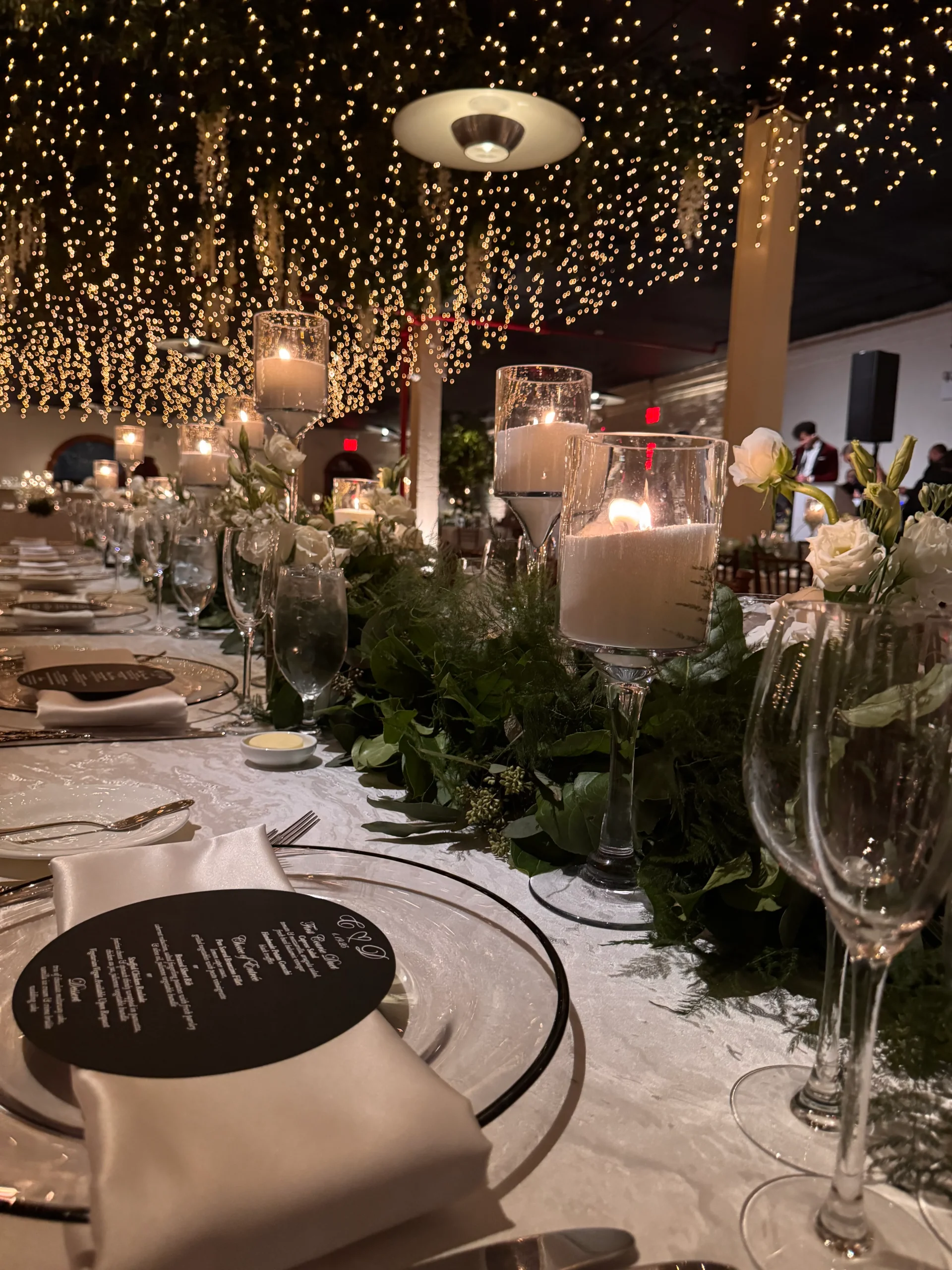
Nassau County has one of the most competitive wedding markets in the country, and that shapes everything about how the planning process needs to work. The density of venues — hotel ballrooms, country clubs, waterfront properties, blank canvas spaces that need full design buildouts — means there are real options at every price point. But the best venues for peak-season dates are spoken for well over a year in advance. Waiting until eight or nine months out to start your venue search in this market is a genuine risk.
The vendor market reflects the same dynamic. There are excellent photographers, florists, caterers, and entertainment companies working across Long Island — and there are also vendors who look great online and underdeliver on the day. Without an existing relationship with those vendors, there’s no easy way to know the difference from the outside. We’ve spent over 30 years building relationships with the vendors in this market, and we know who shows up on time, who communicates clearly, who handles last-minute changes without drama, and who to avoid.
Logistics matter here in ways that don’t come up in national planning guides. The Long Island Expressway, the Northern State Parkway, the Southern State Parkway — traffic is a real variable on weekends, and a day-of timeline that doesn’t account for vendor travel time and guest arrival patterns is a timeline that’s going to slip. Building that kind of local awareness into the planning process comes from having planned hundreds of events in this specific geography.
The cultural diversity of Nassau County also shapes what planning looks like in practice. Whether you’re planning a large Jewish wedding in Syosset, a South Asian celebration in Great Neck, or a traditional ceremony on the South Shore in Baldwin, the expectations, customs, and vendor requirements vary. We understand those differences and know how to serve them well.
**Do I need a full-service planner or just a day-of coordinator?**
This is probably the most common question we hear, and the answer depends on where you are in the process. A day-of coordinator steps in to manage execution — but they’re managing a plan they didn’t build. If the vendor contracts have gaps, if the timeline hasn’t been built with enough buffer, if there are communication issues between vendors that haven’t been resolved — a day-of coordinator inherits all of those problems on the morning of your wedding. A full-service planner builds the foundation, which is what makes the execution smooth. If you’re organized, have the time, and have already locked in your vendors carefully, a month-of coordinator can be a meaningful addition. The key is being honest about what you’ve actually handled versus what you’ve assumed is handled.
**How far in advance do Nassau County venues book up?**
For peak-season dates — September and October are the most in-demand — the top venues in Nassau County regularly book 12 to 18 months out. The Garden City Hotel, for example, is one of the most sought-after ballroom venues in the county, and popular Saturdays there fill up fast. If you have a specific venue in mind, reaching out as soon as you have a general date range in mind is worth it. We’ve seen couples miss their first-choice venues by waiting to “see what’s available” — a strategy that tends to result in compromises you didn’t plan to make.
**When do I need to apply for a marriage license in New York?**
In Nassau County, you apply at your local Town Clerk’s office — Town of Hempstead, North Hempstead, or Oyster Bay, depending on where you live or where the ceremony is taking place. The fee is $40 to $45, and New York State requires a 24-hour waiting period before the marriage can be performed. The license is valid for 60 days from the date of issue, so you want to time the application accordingly — close enough to the wedding that the license is still valid, but not so last-minute that the waiting period creates a problem. Most couples apply about a month before the wedding to stay comfortably within the window.
**What’s the difference between a wedding planner and a wedding designer?**
Most agencies separate these functions — one person handles logistics, another handles design. The problem is that design and logistics aren’t actually separate. The floor plan affects the vendor setup. The lighting design affects the photography timeline. The floral installation affects how long cocktail hour setup takes. When those two functions are handled by different people who aren’t in constant communication, things fall through the cracks. We handle both functions as an integrated team, so the whole process runs more cleanly — and the end result looks more cohesive because the design was built with execution in mind from the start.
A good wedding timeline isn’t about being rigid — it’s about giving yourself enough runway to make the right decisions without feeling rushed. When you know what needs to happen at 12 months, at six months, at six weeks, the process stops feeling like a wall of tasks and starts feeling like a clear path forward.
Nassau County is a market where preparation pays off. The venues fill up. The good vendors book out. The couples who start early, plan in sequence, and have an experienced guide in their corner tend to end the process feeling like the day exceeded what they imagined. The ones who wing it tend to spend the final weeks putting out fires.
If you’re newly engaged and trying to figure out where to start — or if you’re a few months in and feeling like things are getting away from you — we’ve been helping Nassau County couples navigate exactly this process for over 30 years. Reach out and start the conversation.
Summary:
Article details:
Share: