Not sure whether you need a wedding planner, event planner, or coordinator? This guide breaks down each role so you can choose the right fit for your celebration.
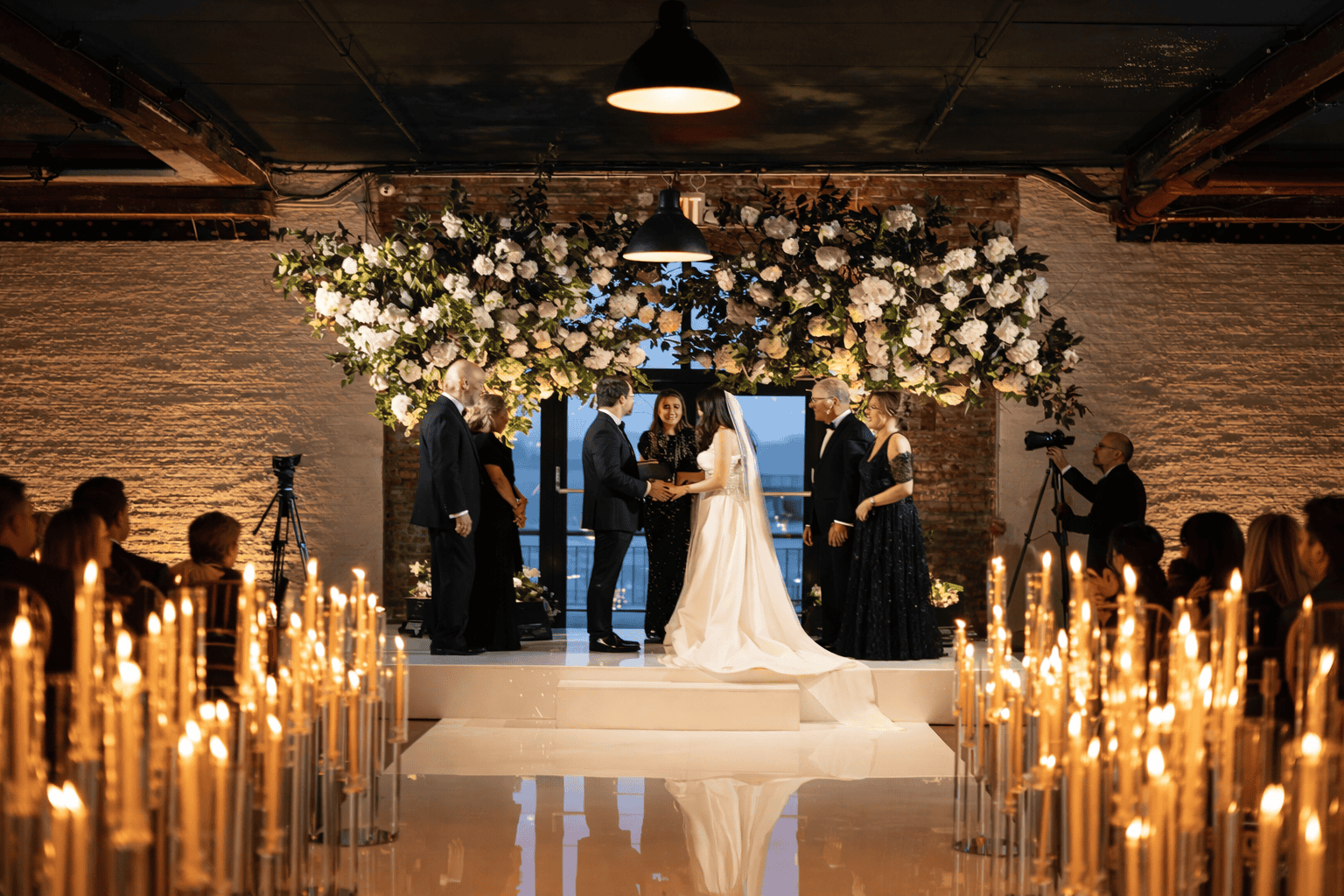
A wedding planner is with you from the beginning. Think of them as your project manager, design consultant, and logistics expert rolled into one.
Wedding planners typically come on board 12 to 15 months before your wedding. That’s when the heavy lifting starts. Venue tours. Vendor interviews. Contract reviews. Budget tracking. Timeline creation. We help you make decisions you didn’t even know you’d have to make.
Wedding planners specialize in weddings. We know the difference between a sweetheart table and a king’s table. We understand ceremony flow, reception pacing, and how to keep 150 people fed and entertained without it feeling like a logistics nightmare.

You should hire a wedding planner if you want someone to handle the entire process from start to finish. That means vendor sourcing, design development, contract negotiation, budget management, and day-of execution.
This is the right move if you’re busy. If you work full-time, travel often, or just don’t have the bandwidth to research florists and compare linen samples, a planner takes that off your plate. You’ll still make the final decisions, but we do the legwork and present you with vetted options.
It’s also smart if you’re planning something complex. Destination weddings, multi-day celebrations, or events at raw venues that require you to bring in everything—those benefit from a planner’s experience. We know what you’ll forget. We’ve already solved the problems you haven’t thought of yet.
And honestly? If the idea of planning stresses you out more than excites you, that’s reason enough. Our job is to make this enjoyable, not just manageable. We keep you on track, protect your budget, and make sure nothing falls through the cracks while you’re living your life.
Planners also bring relationships. We’ve worked with photographers, caterers, and venues before. That means smoother communication, sometimes better pricing, and vendors who already know how to work together. It’s not just about convenience—it’s about building a team that functions like one.
Wedding planner costs vary, but in the Long Island & NYC area and across Long Island, you’re generally looking at a significant investment. Full-service planning can range anywhere from a few thousand dollars to well over ten thousand, depending on the planner’s experience, your guest count, and how involved your wedding is.
Most couples spend at least $1,500 on wedding planner services nationwide, but that number climbs quickly in higher-cost markets like New York. In the NYC metro area, partial planners often run between $6,000 and $10,000. Full-service planning—where we’re with you from day one through the send-off—can go higher, especially for large or complex events.
It sounds like a lot. But here’s the thing. A good planner often saves you more than they cost. We know where to allocate your budget for maximum impact. We catch mistakes before they become expensive problems. And we negotiate with vendors on your behalf, sometimes securing perks or pricing you wouldn’t get on your own.
The other piece people don’t always consider is time. Planning a wedding is essentially a part-time job. If you value your nights and weekends, or if the idea of managing 15 vendor contracts makes you want to elope, the cost starts to make a lot more sense.
You’re not just paying for logistics. You’re paying for peace of mind, expertise, and the ability to show up on your wedding day as a guest at your own celebration—not the person running it.
Want live answers?
Connect with a Debbie Hart Celebrations expert for fast, friendly support.
An event planner works across all types of events—not just weddings. Corporate galas. Milestone birthdays. Charity fundraisers. Product launches. Bar and bat mitzvahs. They’re generalists with a broad skill set.
Event planners can absolutely plan weddings, and many do. But their expertise isn’t wedding-specific. They won’t necessarily know the latest bridal trends or have deep relationships with wedding photographers. What they do bring is versatility, problem-solving, and experience managing all kinds of celebrations.
If you’re planning a wedding that feels more like a party than a traditional ceremony, an event planner might be a great fit. They’re excellent at logistics, crowd flow, and creating memorable experiences. Just make sure they have wedding experience if that’s what you’re hiring them for.
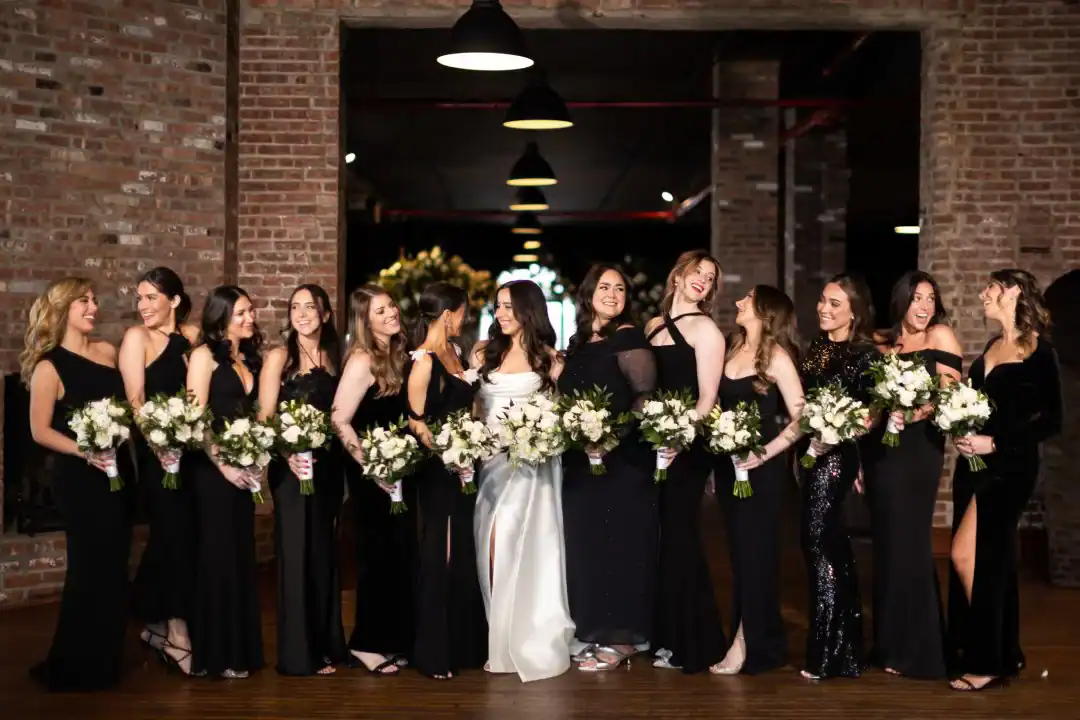
The biggest difference is focus. Wedding planners specialize in weddings. We live and breathe ceremony timelines, bouquet preservation, and the fifteen decisions that go into choosing the right cake. Event planners handle a wider variety of events, so their knowledge is broader but less wedding-specific.
Wedding planners understand the emotional weight of the day. We know that the processional song matters. That the first look is a big deal. That your mom might cry during the toast and someone needs to have tissues ready. Event planners are great at logistics, but they may not bring that same level of wedding-specific intuition.
That said, many event planners do weddings beautifully—especially if they’ve built experience in that space. The key is asking the right questions. How many weddings have they planned? Do they understand the flow of a ceremony and reception? Can they recommend wedding-specific vendors?
If you want someone who’s planned 100 weddings, hire a wedding planner. If you want someone who’s planned 100 events and has the flexibility to think outside traditional wedding structure, an event planner could work. It’s about what you value and what your celebration actually needs.
One thing to note: wedding planners often have stronger relationships with wedding vendors. Florists. Photographers. Caterers. We’ve worked together before. That can make coordination smoother and sometimes open doors to preferred pricing or availability. Event planners may not have those same connections in the wedding world, depending on their background.
An event planner makes sense if your wedding doesn’t fit the traditional mold. Maybe you’re hosting a festival-style celebration, a themed party, or a non-religious ceremony that feels more like a big gathering than a formal affair. Event planners excel at creative, non-traditional formats.
They’re also a good fit if you’re planning other events around your wedding—like a welcome dinner, rehearsal party, or day-after brunch—and want one person to manage the whole weekend. Event planners are used to juggling multiple events, so they can keep everything cohesive without getting overwhelmed.
If you’ve already done a lot of the wedding-specific planning yourself and just need someone to manage logistics and vendor coordination, an event planner can step in and execute. They’re great at taking your plan and making it happen.
But if you’re starting from scratch and need someone to guide you through the entire wedding planning process—from choosing a venue to selecting your processional music—a wedding planner is usually the better choice. We understand the nuances that make weddings different from other events.
The bottom line? Event planners bring versatility and creative problem-solving. Wedding planners bring wedding-specific expertise and industry relationships. Both can plan a beautiful celebration. It just depends on what you need and how traditional or non-traditional your vision is.
Here’s where it gets a little more nuanced. Wedding coordinators and bridal assistants play different roles than planners—and understanding those differences will save you from hiring the wrong person.
A wedding coordinator typically steps in about one to three months before your wedding. Some come on board as early as four to six months out, but their focus is execution, not planning. You’ve already booked your venue, hired your vendors, and made most of your decisions. The coordinator’s job is to pull it all together and make sure it runs smoothly on the day.
Coordinators review your vendor contracts. They create a detailed timeline. They confirm logistics with everyone involved. They run your rehearsal and manage the actual wedding day. They’re your point person so you don’t have to be. If the florist is running late or the caterer has a question, they handle it. You get to be present.
A bridal assistant is even more specific. They’re focused on you—the bride—not the event. Think of them as your personal support person for the day. They help you get dressed, manage your dress and veil, touch up your makeup, hold your bouquet, keep you hydrated, and make sure you’re comfortable and ready for photos.
Bridal assistants don’t coordinate vendors. They don’t manage timelines. They’re there to take care of your personal needs so your maid of honor and bridesmaids can actually enjoy the day instead of running around fixing your bustle.
Summary:
Article details:
Share: