
Everything you need to know about wedding management — from 18-month timelines to day-of coordination — explained by a Nassau County expert with 30+ years of experience.
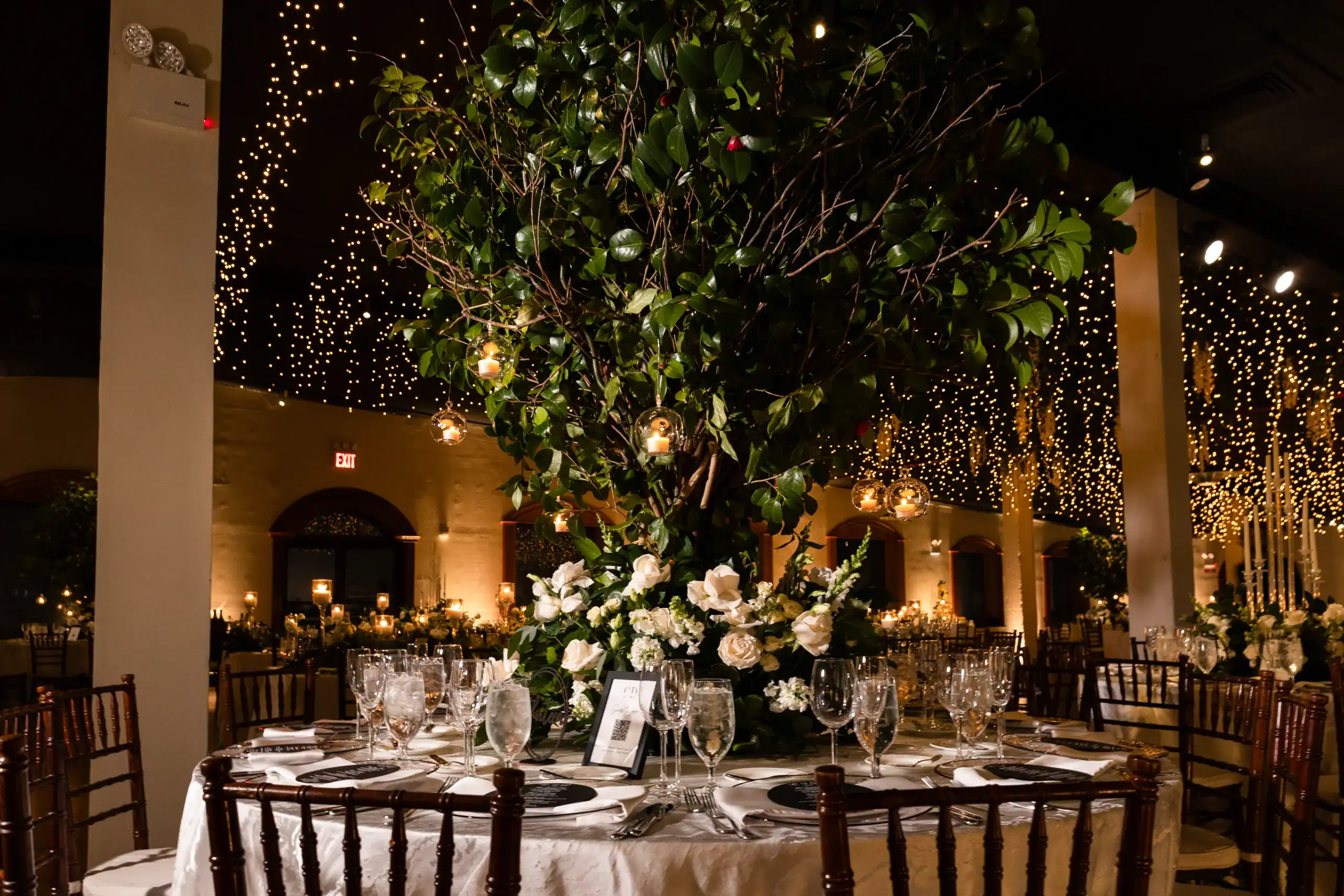
Most couples don’t realize how much is involved in planning a wedding until they’re already in it. You’ve got a venue booked, a rough vision in your head, and a growing list of vendors to research — and suddenly what felt exciting starts feeling like a second job. That’s not a personal failure. It’s just the reality of coordinating 14 vendors, a 12-month timeline, and thousands of dollars across a single day that only happens once. This guide breaks down exactly how professional wedding management works, what a real planning timeline looks like, and how Nassau County couples can protect their investment while actually enjoying the process.
The word “organiser” undersells it. A professional event planner isn’t just keeping a spreadsheet tidy — we’re managing the entire operation from the moment you hire us to the moment you leave your reception. That means vendor sourcing, contract review, budget tracking, timeline creation, floor plan development, and day-of execution all under one roof.
What most couples don’t fully appreciate is how much invisible work goes into a seamless wedding. The florist who arrives on time, the DJ who already knows the timeline, the caterer who isn’t waiting on instructions — that coordination doesn’t happen by accident. It happens because someone made sure every vendor knew exactly where to be, when to be there, and what to do if something changed.
Here in Nassau County, where weddings regularly run $37,000 to $45,000 and the most popular venues book up 12 to 18 months in advance, getting that coordination right isn’t optional. It’s the difference between a wedding that runs like it was always meant to look that way — and one that quietly unravels behind the scenes while you’re trying to enjoy your first dance.

Planning and coordination are related, but they’re not the same thing. Planning is everything that happens before the wedding — choosing vendors, setting a budget, developing the design concept, building the timeline, reviewing contracts. Coordination is the execution phase — making sure everything that was planned actually happens the way it was supposed to.
The problem is that most couples treat them as separate. They spend months planning on their own, then scramble to find a coordinator in the final weeks before the wedding. By that point, the best coordinators in Nassau County are already booked. And even if you find someone available, they’re walking into a situation they didn’t build — which means they’re managing your plan, not one they understand from the inside.
The cleaner approach is to work with someone who handles both. When the same professional who helped you select your venue and build your vendor team is also the one executing the day, there’s no handoff, no miscommunication, and no learning curve under pressure. The design vision and the logistics plan are aligned from the start because the same person built both of them.
This is also where the event planning side of things comes into focus. Good event planning isn’t just about aesthetics — it’s about understanding how a room flows, how a timeline breathes, and how to build enough buffer into the schedule so that when the photographer runs ten minutes over on portraits, the reception doesn’t start feeling rushed. That kind of operational thinking is what separates a truly managed wedding from one that’s just well-decorated.
We’ve been doing this in Nassau County since 1997, and the weddings that go smoothest are almost always the ones where planning and coordination were never treated as two separate jobs.
There’s a common misconception that a wedding coordinator just shows up on the wedding day and makes sure things run on time. That’s not coordination — that’s traffic control. Real coordination starts weeks before the wedding and covers a lot more ground than most couples expect.
In the weeks leading up to the wedding, a coordinator should be confirming every vendor’s arrival window, reviewing the setup timeline against the venue’s access schedule, finalizing the floor plan, and distributing a detailed day-of timeline to every single person involved. We field the last-minute questions from the caterer, not you.
On the wedding day itself, the coordinator is managing vendor arrivals, overseeing setup, keeping the bridal party on schedule, cueing the ceremony, managing the reception transitions — first dance, toasts, cake cutting, send-off — and quietly solving every problem that comes up before you ever know it was a problem. That last part is the most important. The best coordination is invisible. You never know what was handled because nothing felt wrong.
There’s also a role that often goes unnoticed: protecting the couple from their own guests. Well-meaning family members and friends have a way of pulling the timeline apart with the best intentions. A coordinator creates a buffer between you and all of that, so you can be present at your own wedding instead of managing it.
One thing worth understanding is the difference between a wedding coordinator and a venue coordinator. The coordinator provided by your venue works for the venue. Their job is to make sure the venue’s operations run smoothly — not to manage your photographer, DJ, florist, or transportation. Couples who assume the venue coordinator “has it covered” often find out too late that no one was actually managing the full picture. An independent coordinator works exclusively for you, across every vendor and every moving part of the day.
Want live answers?
Connect with a Debbie Hart Celebrations expert for fast, friendly support.
One of the most common questions we hear is some version of “when do I need to have this done by?” And the honest answer is: earlier than you think, especially in this market. Nassau County’s most sought-after venues — places like the Garden City Hotel — fill their Saturday dates fast. The same goes for photographers, florists, and bands with strong local reputations. Waiting until six months out to start vendor conversations is a real risk.
A realistic wedding planning timeline depends on how much runway you have. The gold standard is 12 to 18 months, but plenty of couples plan beautiful weddings in less time. What changes isn’t the quality — it’s the pace, the options available to you, and how much margin you have when things need to be adjusted.
If you have 18 months, use the first three to focus entirely on the foundation: set your overall budget, decide on your approximate guest count, and book your venue. Everything else in the wedding planning process flows from those three decisions. Your guest count determines your venue size. Your venue determines your catering options. Your budget determines what’s realistic across all of it.
Months 15 to 12 are for locking in your highest-demand vendors — photographer, videographer, band or DJ, and your wedding planner or coordinator if you haven’t already. These are the vendors that book out the furthest in advance, particularly for spring and fall dates in Nassau County.
From months 12 to 9, you’re building out the design vision, finalizing the guest list, sending save-the-dates, and beginning conversations with florists, hair and makeup artists, and officiants. This is also when you should be thinking about your wedding website, your engagement session if you’re doing one, and any destination or travel logistics if applicable.
Months 9 to 6 are for decisions: finalize your ceremony and reception details, book your rehearsal dinner venue, order your wedding attire, and begin working on the seating plan framework. If you’re planning a honeymoon, this is when to book it.
The final six months are where the planning gets more granular — finalizing menus, confirming vendor details, sending invitations, collecting RSVPs, building the detailed day-of timeline, and doing your venue walkthrough. The final two to four weeks are for confirmations across every vendor, finalizing the seating chart, and making sure everyone involved has the information they need to show up prepared.

Compressed timelines are more common than people think, and they’re absolutely workable — but they require a different approach. When you’re planning a wedding in six months, you don’t have the luxury of a leisurely vendor search. The decisions that would normally stretch over several months need to happen in weeks, which means having access to a trusted vendor network matters more than ever.
In Nassau County, a six-month timeline means your venue options will be more limited, particularly for peak season Saturdays in May, June, September, and October. You may find more flexibility with Friday or Sunday dates, or with venues that had a last-minute cancellation. That’s not a consolation prize — some of the most beautiful weddings we’ve been part of happened on a Sunday in October at a venue booked four months out.
The priorities in a compressed timeline are the same as in a longer one, just accelerated. Venue first, then your highest-demand vendors, then everything else. The key difference is that you can’t afford to deliberate for three weeks on a florist when you only have six months total. Decisions need to happen faster, which is exactly why working with a planner who has established vendor relationships in this market makes such a significant difference. A call from someone with 30 years of history in Nassau County carries a lot more weight than a cold inquiry from a couple who just got engaged.
Planning a wedding in three months is possible, but it requires flexibility — on dates, on venue, on certain vendor choices. It also requires someone who can move quickly and confidently without cutting corners. The couples who pull it off successfully are almost always the ones who had professional help from the very beginning of that three-month window, not the ones who tried to manage it themselves and brought in help at the end.
Wedding management is one of those things that looks simple from the outside and reveals its complexity the moment you’re in it. The couples who feel most at ease on their wedding day aren’t the ones who planned every detail themselves — they’re the ones who handed the operational weight to someone they trusted completely and actually got to be present for the whole thing.
Nassau County is a competitive market with high expectations, real booking pressures, and a vendor landscape that rewards relationships built over time. Having someone in your corner who has been navigating this market since 1997 — who knows the venues, knows the vendors, and knows exactly how to build a day that runs the way it was designed to — is not a luxury. It’s the most practical investment you can make in the outcome of your wedding.
If you’re in the early stages of planning or already feeling the pressure of a tighter timeline, we’re based right here in Syosset, NY and have been helping Nassau County couples do exactly this for over 30 years. Reach out and start the conversation — the sooner you do, the more options you’ll have.
—
**Frequently Asked Questions**
**What is wedding management, and how is it different from day-of coordination?** Wedding management is the full operational oversight of your wedding — vendor coordination, timeline management, logistics, and day-of execution. “Day-of coordination” is an older term that implied someone just showed up on the wedding day, but real coordination starts weeks before. A professional wedding manager is confirming vendors, reviewing setup schedules, and distributing detailed timelines well before you walk down the aisle.
**Do I really need a wedding planner if my venue has a coordinator?** This is one of the most common misconceptions in the industry. The coordinator provided by your venue works for the venue — their job is to make sure the venue’s operations run smoothly, not to manage your florist, photographer, DJ, or transportation. In Nassau County, where weddings involve multiple vendors across a long day, an independent coordinator who works exclusively for you is a completely different service. The venue coordinator and your personal coordinator can absolutely work together, but they are not interchangeable.
**How far in advance should I book a wedding planner in Nassau County?** As early as possible. Nassau County’s most popular venues and vendors book out 12 to 18 months in advance for peak season dates — particularly May, June, September, and October Saturdays. The best planners in this market fill up at a similar pace. If you’re planning a wedding in Nassau County and you’re more than a year out, you’re in a good position. If you’re working with a shorter timeline, don’t wait — the sooner you have professional support in place, the more options remain open to you.
**What does a wedding planning checklist by month actually look like?** The honest answer is that it depends on your timeline, but the structure is consistent: venue and key vendors first, design and details second, confirmations and logistics last. A 12-month checklist looks different from a 6-month checklist, but both follow the same logic — lock in the things that book up fastest, then build everything else around them. A good planner will build a custom checklist around your specific situation rather than handing you a generic template.
**What things to remember when planning a wedding are most often overlooked?** A few things come up consistently. First, the difference between the venue coordinator and an independent coordinator — most couples don’t realize they need both until it’s too late. Second, building buffer time into the wedding day timeline — things always take longer than expected, and a tight schedule with no margin is a recipe for a stressful evening. Third, confirming every vendor in writing in the final two weeks — not because vendors are unreliable, but because details change and everyone needs to be working from the same final version of the plan. And fourth, making sure someone other than the couple is the point of contact on the wedding day itself, so you’re not fielding questions from the florist while you’re getting ready.
Summary:

Article details:
Share: