
Your wedding day shouldn't feel like a second job. Here's what a real day-of coordinator does — and why it matters more than most couples realize.
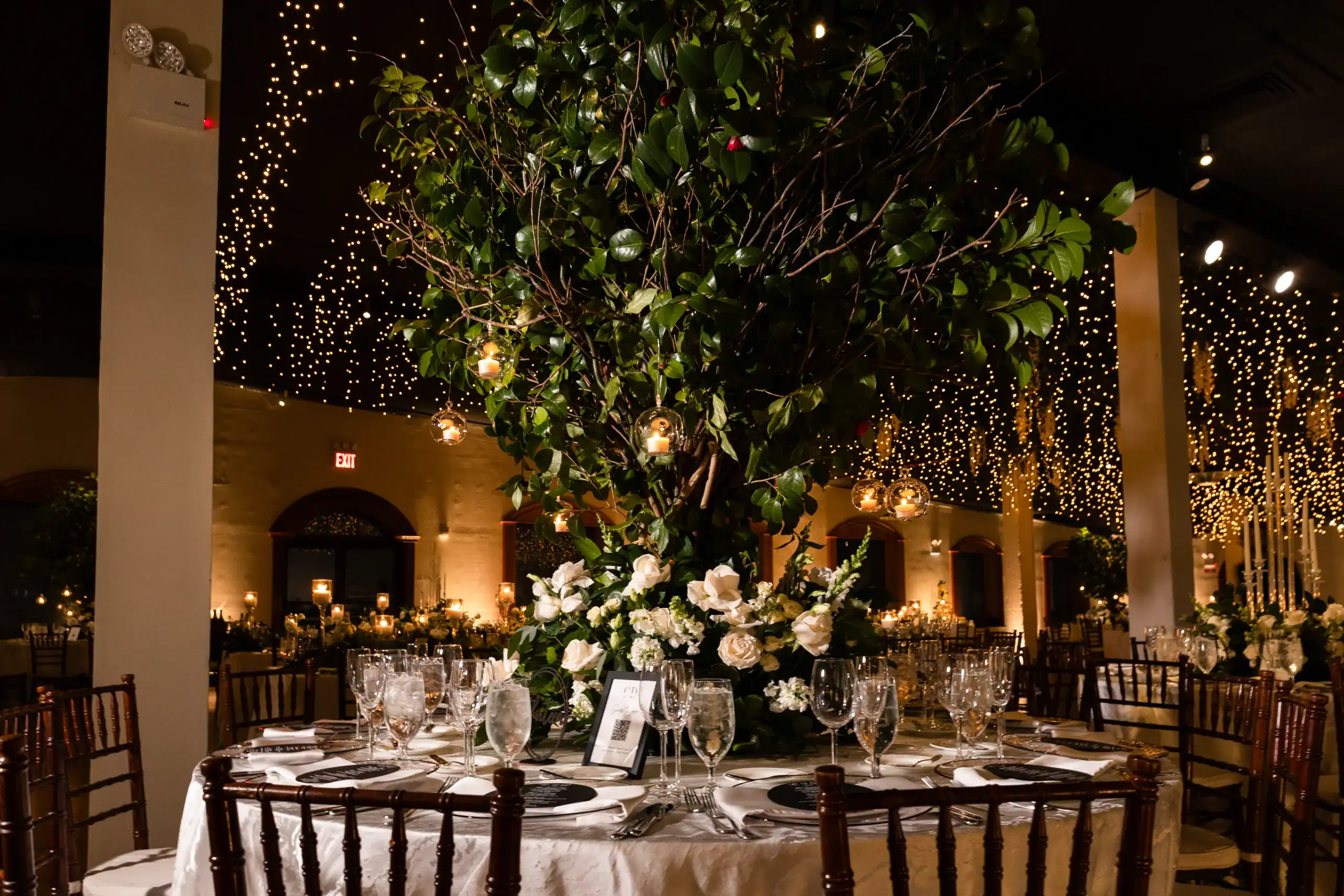
You’ve booked the venue. You’ve chosen the flowers, the photographer, the band. You’ve built a timeline down to the minute. And now, somewhere in the back of your mind, a quiet fear is growing: what happens if something goes wrong on the actual day — and you’re the one who has to fix it?
That’s the exact problem a wedding day coordinator solves. Not by taking over your vision, but by protecting it. This page walks you through what day-of coordination really involves, how it connects to the full planning journey, and what to look for when you’re choosing someone to trust with the day you’ve spent over a year building.
The title is a little misleading. A real wedding day coordinator doesn’t just show up on the morning of your wedding and wing it. The work starts weeks before — reviewing your vendor contracts, confirming arrival windows, building a master timeline that accounts for every moving part, and running your rehearsal so nothing is left to chance the night before.
On the wedding day itself, we become the single point of contact for every vendor. The florist has a question? They call us. The caterer needs to know when to start service? We handle it. A family member is running late and the timeline needs to shift? We adjust it before you ever know there was a problem. You stay present. We stay busy.

Most couples wait too long. By the time they start searching for a wedding day coordinator, they’re three months out and already overwhelmed. The better move is to lock in your coordinator early — ideally within the first few months of getting engaged — even if you’re planning to handle most of the details yourself.
Here’s why that matters. When a coordinator is involved from the beginning of your engagement to wedding timeline, they’re not a stranger walking into your wedding day cold. We know your vendors. We’ve seen your contracts. We understand your vision and your priorities. That context is what allows us to make real-time decisions on your behalf without having to stop and ask you about every small thing.
The engagement period is also when the big decisions happen — venue, catering, photography, music. Having an experienced eye during those conversations can save you from agreements that look fine on paper but create headaches later. Things like vague setup windows, unclear breakdown responsibilities, or vendor contracts that don’t account for overtime. These are the details that surface on wedding days and derail timelines.
We’ve been working with Nassau County couples through this entire arc for over 30 years. We’ve seen what happens when coordination is treated as an afterthought, and we’ve seen what a wedding looks like when every detail has been thought through from the start. The difference is significant — and it shows in how the day actually feels for the couple and everyone they love.
This is one of the most common questions we hear from couples getting married in Nassau County, and it makes complete sense. If you’re getting married at one of the established catering halls across the county — places in Westbury, Carle Place, or Garden City — there’s often an in-house Maitre d’ or venue coordinator already included. It can feel redundant to hire someone on top of that.
But here’s the distinction that matters: the venue coordinator works for the venue. Their job is to make sure the venue’s staff, kitchen, and facilities run smoothly. They are not managing your personal timeline. They are not confirming that your photographer knows where to be during the first look. They are not tracking down the florist when the centerpieces are missing from table seven. They are not the person who knows your grandmother needs to be seated before the processional begins.
We work for you. Every decision we make on your wedding day is filtered through one question: what does this couple want? That’s a fundamentally different role, and the two don’t overlap as much as people assume.
The average couple brings 14 vendors to their wedding day. Each one has their own arrival window, setup requirements, and point of contact. Managing all of that simultaneously — while also trying to get dressed, take photos, and actually be present for one of the most important days of your life — is not realistic without dedicated support. That’s not a knock on anyone’s organizational skills. It’s just the reality of what a Nassau County wedding involves.
We’ve worked at venues across Long Island for decades. We know the quirks, the loading dock schedules, the rooms that run cold in October, and the coordinators on staff who are genuinely helpful versus the ones who are stretched too thin on a busy Saturday. That local knowledge is part of what we bring to every wedding we work.
Want live answers?
Connect with a Debbie Hart Celebrations expert for fast, friendly support.
A well-executed wedding day is really the result of 12 to 18 months of deliberate decisions made in the right order. When the planning is structured correctly, the day-of coordination almost looks easy — because every potential problem was already solved in advance.
The 12 month wedding timeline is where most of the heavy lifting happens. Venue, catering, photography, music, florals — these are the categories that book up fastest in Nassau County, especially for June, September, and October dates. Getting these locked in early gives you the leverage to be selective rather than settling for whoever’s still available.

If you got engaged recently and your wedding is still a year and a half away, you’re in a genuinely good position. An 18-month wedding planning timeline gives you the space to make thoughtful decisions instead of reactive ones — and that patience pays off in the quality of your vendors, your venue, and your overall experience.
In the first few months, the priorities are establishing your budget, narrowing down your venue options, and getting a rough guest count. The venue drives almost everything else — your guest capacity, your catering options, your ceremony setup, and often your available dates. Popular venues across Nassau County book 12 to 18 months out without much difficulty, so moving on this early is worth it.
Months nine through twelve are typically when the design layer comes together. Florals, décor, lighting, stationery, cake — these are the details that translate your vision from a concept into something tangible. This is also when having both a planner and a designer in one becomes genuinely valuable. When the person managing your logistics is the same person shaping your aesthetic, nothing falls through the gap between the two.
The final stretch — roughly four to six weeks out — is when a day-of coordinator takes the wheel. We confirm every vendor, distribute the master timeline, run the rehearsal, and build in contingencies for anything that might shift. By the time your wedding morning arrives, the plan is airtight. You’re not managing anything. You’re just getting married.
We work with couples across this entire arc. Some come to us with 18 months to go and want a true planning partner from the beginning. Others have done the heavy lifting themselves and bring us in for the final phase. Either way, the goal is the same: your wedding day runs exactly the way you imagined it, and you’re not the one making that happen.
One of the most useful things we do — and one of the least visible — is maintain a comprehensive wedding checklist that accounts for every category of your event simultaneously. Not just the big vendors, but the details that couples don’t think about until they’re standing in the middle of their wedding day wondering why something feels off.
Vendor confirmations are the obvious one. Every vendor should receive a final confirmation call or email in the week before the wedding, with their arrival time, setup location, and point of contact clearly spelled out. This sounds simple, but when you have a photographer, videographer, florist, band or DJ, caterer, cake vendor, transportation company, hair and makeup team, and officiant all converging on the same day — coordinating that communication is a real job.
Beyond vendors, a thorough checklist covers: the rehearsal run-through and who needs to be where; the distribution of gratuities to vendors at the appropriate time during the event; the bridal party’s timeline for getting ready and when they need to be in position; the family photo list and who’s responsible for gathering the right people; the ceremony sound check; the cocktail hour flow and how it transitions to the reception; the cake cutting timing; the bouquet toss and any other programmed moments; and the breakdown and cleanup at the end of the night.
In Nassau County, there are also logistics that are specific to this market. If guests are traveling in from Manhattan via the LIRR, transportation timing matters. If your venue is on the North Shore and vendors are coming from different parts of the Island, traffic on the LIE on a Saturday morning is a real variable. These aren’t hypothetical concerns — they’re the kinds of things that a coordinator with 30 years of local experience has already accounted for before the day begins.
We’ve built and executed this kind of checklist for hundreds of events across Long Island, Westchester, and New York City. The couples who feel most relaxed on their wedding day are almost always the ones who handed this responsibility to us entirely — and trusted that it was handled.
A great wedding day doesn’t happen by accident. It happens because someone spent months making sure every detail was in place — and then showed up on the day ready to execute it without asking you a single question that shouldn’t be yours to answer.
If you’re planning a wedding in Nassau County and you want that kind of support — whether you’re 18 months out or six weeks away — the conversation is worth having sooner than you think. The couples who feel most at ease on their wedding day are almost always the ones who made this decision early.
We’re based in Syosset, NY and have been working with Long Island couples for over 30 years. Reach out and tell us where you are in the process. We’ll take it from there.
Summary:

Article details:
Share: