
Planning a wedding in Nassau County means navigating one of the most expensive markets in the country. Here's what your budget actually needs to account for.
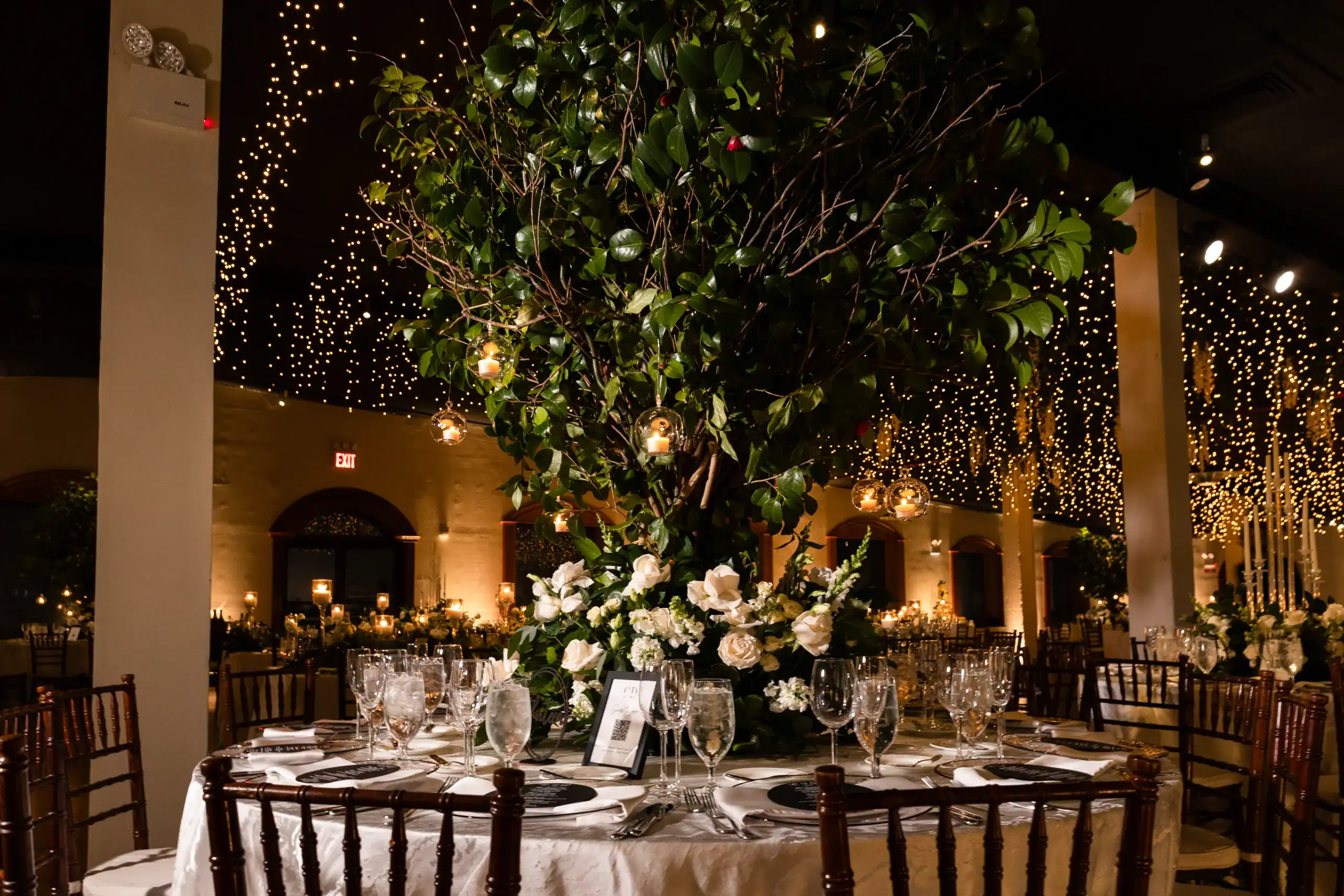
Most couples set a wedding budget with the best intentions — and then watch it quietly unravel somewhere between the venue deposit and the florist quote. It’s not a lack of effort. It’s a lack of local context, vendor knowledge, and a clear process to follow. If you’re planning a wedding in Nassau County, the numbers look different here than anywhere else in the country, and planning without that context is where expensive surprises tend to happen. We’ve guided hundreds of couples through this process, and we’ve seen firsthand what works and what doesn’t. This guide covers what a realistic luxury wedding budget looks like on Long Island, how to build a timeline that keeps everything on track, and what it actually means to have an experienced event planner in your corner from day one.
Here’s a number worth knowing before you do anything else: the average wedding in Nassau County costs $58,245. That’s nearly 70% above the national average of $34,200, and it’s not because couples here are being excessive — it’s because venues, vendors, and production in this market are simply priced differently. If you’ve been using national budget guides as your baseline, you may already be working with a significant gap between expectation and reality.
The venue alone can run anywhere from $15,000 to $50,000 or more, depending on location, season, and what’s included in the package. Couples planning full luxury celebrations — with custom florals, lighting, entertainment, and design buildout — should realistically expect to spend between $40,000 and $80,000, with many Gold Coast-area weddings going well into six figures. That’s not meant to discourage anyone. It’s meant to give you an honest starting point so your budget is built on what things actually cost here, not what they cost somewhere else.

One of the most common mistakes couples make is treating the planning timeline like it has more flexibility than it does. In Nassau County, peak season runs from May through October, with June, September, and October filling up fastest. December is also highly competitive. Top venues and photographers in this market regularly book 12 to 18 months in advance — and that’s not a sales tactic, it’s just the reality of how in-demand this area is.
A solid wedding to-do list timeline looks something like this: In the first month after your engagement, you want to set your total budget, decide on a guest count range, and begin your venue search. If you’re working with us, this is also when that relationship should start — not three months in when half the decisions have already been made. By the 9-to-12-month mark, your venue, caterer, photographer, and band or DJ should all be locked in. These are your highest-cost, lowest-availability vendors, and they go first.
From six to nine months out, you’re typically handling the dress, florist consultations, save-the-dates, and transportation. Three to six months before the wedding, you’re finalizing menus, confirming accommodations for out-of-town guests, and beginning to pull together the day-of timeline. The final stretch — the last month or so — is for confirmations, final fittings, vendor payments, and making sure every person who needs to be somewhere at a specific time actually knows that. By the time your wedding day arrives, the work should already be done. The day itself should feel like the celebration it’s meant to be, not a logistics exercise.
The reason this timeline matters so much in Nassau County specifically is that the vendor pool — while excellent — is competitive. Waiting too long doesn’t just limit your options. It often means paying more for what’s left, or settling for vendors who weren’t your first choice.
Not every engagement comes with 18 months of runway. Some couples get engaged and want to celebrate within the year. Others have personal reasons for a faster timeline. Either way, the question we hear often is: can you still pull off a luxury wedding in Nassau County with a compressed schedule?
With a 6 month wedding planning timeline, the honest answer is yes — but the margin for error shrinks considerably. You’ll need to move fast on the venue, accept that some of your first-choice vendors may already be booked, and make decisions more quickly than you might prefer. The couples who succeed on a six-month timeline are usually the ones who have professional help from the very first week. Not because they can’t make decisions on their own, but because we have established vendor relationships that get calls returned faster, access availability that isn’t publicly listed, and prevent the kind of costly missteps that happen when you’re rushing through a process you’ve never done before.
Planning a wedding in 3 months is a different challenge altogether. At that point, flexibility becomes essential. Certain peak-season weekend dates will simply be unavailable, and some vendors won’t be able to accommodate the timeline regardless of budget. What makes a three-month luxury wedding possible — when it is possible — is a planner who already has the relationships in place. A trusted referral from someone vendors have worked with for years carries weight that a cold inquiry simply doesn’t. We’ve helped couples navigate compressed timelines before, and the outcome depends almost entirely on how quickly decisions get made and how strong the vendor network behind those decisions is.
If you’re in this situation, the most important thing you can do is reach out to us immediately — before you book anything on your own. Every day matters when the timeline is short, and the sequence of decisions matters just as much as the speed.
Want live answers?
Connect with a Debbie Hart Celebrations expert for fast, friendly support.
One of the reasons wedding budgets spiral is that couples don’t see all the line items coming. You budget for the venue and the photographer, and then realize you haven’t accounted for florals, lighting, transportation, hair and makeup, invitations, cake, gratuity, or the marriage license. Each of those feels manageable on its own — until you add them all up.
A complete wedding checklist isn’t just a task list. It’s a budget protection tool. When every category is visible from the beginning, you can make intentional tradeoffs instead of reactive ones. Spending more on the band might mean simplifying the centerpieces. Investing in custom lighting might mean choosing a more straightforward invitation suite. These are reasonable decisions — but only if you’re looking at the full picture from the start.

As a general framework, the venue and catering combined typically consume 40 to 50 percent of a total wedding budget. That’s the single largest line item, and it’s the one that sets the ceiling for everything else. Photography and videography together usually account for another 10 to 12 percent. Entertainment — whether that’s a band, a DJ, or both — runs roughly 8 to 10 percent. Florals and décor typically sit around 8 to 10 percent as well, though for couples investing in full design buildout or blank canvas venue transformations, that number can climb significantly.
The remaining budget covers everything else: transportation, invitations and stationery, hair and makeup, cake and desserts, favors, accommodations for the wedding party, and the inevitable miscellaneous expenses that show up in every wedding. A 10 to 15 percent contingency buffer built into your total from the beginning is not optional — it’s the thing that keeps a minor surprise from becoming a real problem.
What this breakdown should make clear is that the venue decision is the most consequential budget decision you’ll make. It doesn’t just determine one line item — it sets the tone and the constraints for every other decision that follows. On Long Island, where venue fees alone can reach $50,000 for premium waterfront or estate properties, choosing a venue before you’ve mapped out the rest of your budget is one of the most common ways couples end up overextended.
Working through this allocation with someone who knows what Nassau County vendors actually charge — not what they list on their website, but what they realistically cost when you factor in minimums, gratuity, overtime, and add-ons — is the difference between a budget that holds and one that quietly falls apart by month six of planning.
**How much should I budget for a wedding in Nassau County, NY?**
Most couples planning a wedding in Nassau County should expect to spend somewhere between $40,000 and $80,000 for a full celebration, with luxury events — particularly those in Gold Coast communities like Great Neck, Manhasset, or Roslyn — often running well above that. If you’re envisioning a fully designed, immersive event with custom florals, premium entertainment, and a waterfront or estate venue, plan for more. Starting with a realistic number for this specific market is the most important thing you can do before your first vendor meeting.
**Is hiring a wedding planner worth it when I’m already managing a large budget?**
This is one of the most common questions we hear, and the answer is almost always yes — especially at the luxury level. Our vendor relationships often translate into better pricing, priority booking, and added-value inclusions that couples negotiating on their own simply don’t have access to. On a $60,000 wedding, even a 5 percent improvement in vendor pricing equals $3,000 — which can cover a meaningful portion of a planner’s fee. Beyond the numbers, having someone manage vendor communication, contracts, and day-of logistics protects the investment you’ve already made. The mistakes that happen without professional oversight rarely show up as a single large cost — they accumulate quietly across dozens of small decisions.
**How far in advance do I need to book vendors for a Nassau County wedding?**
For peak season dates — which on Long Island means most weekends from May through October, plus December — you should expect to book your venue 12 to 18 months out. Photographers, bands, and caterers follow closely behind at 9 to 12 months. If you’re working with a shorter timeline, we have established local relationships that can often access availability that isn’t visible to couples searching on their own, but the window narrows quickly. The Nassau County market is competitive in a way that catches a lot of couples off guard, particularly those who are used to planning in less in-demand markets.
**What’s the biggest budget mistake couples make when planning a Long Island wedding?**
Using national averages as their starting point. Planning with the wrong baseline means you’ll either exhaust your budget before you’ve finished booking, or you’ll make cuts you didn’t plan for in categories that matter to you. The second most common mistake is not building in a contingency buffer — at least 10 to 15 percent of your total budget should be held in reserve for the unexpected costs that show up in every wedding, regardless of how carefully you’ve planned.
A well-built wedding budget isn’t just about the numbers — it’s about knowing what you’re walking into before you commit to anything. In Nassau County, that means understanding the real cost of this market, having a clear timeline that reflects how competitive local vendors actually are, and making decisions in the right order so nothing catches you off guard six months in.
The couples who feel most at ease throughout the planning process are usually the ones who started with a clear plan and had someone experienced helping them hold it together. Not someone who takes over — someone who listens, keeps things moving, and makes sure the day you’ve been imagining actually happens the way you imagined it.
If you’re starting to think through your wedding budget and want to talk through what’s realistic for your vision and your timeline, we’re based right here in Syosset, NY and have been working with Nassau County families for over 30 years. Reach out — the first conversation is just that, a conversation.
Summary:

Article details:
Share: