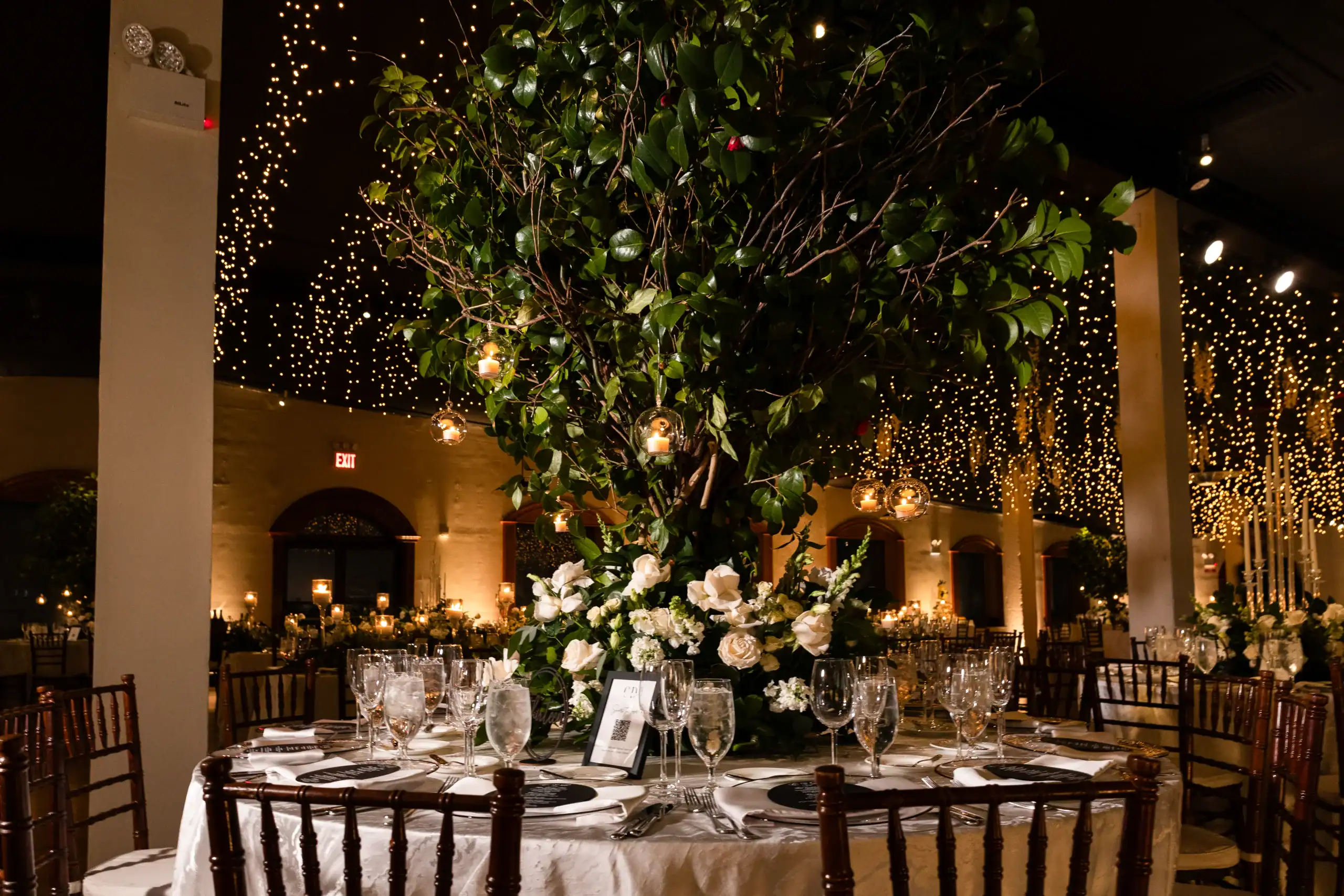
When you're investing $150k or more in your child's bar mitzvah, the stakes are high. Learn how to manage luxury budgets, vet vendors, and coordinate complex logistics in Nassau County's competitive market.

You’ve set aside a significant budget for your child’s bar mitzvah. You know what you want. You expect excellence. And you’re realizing that managing a six-figure celebration in Nassau County involves more than picking a venue and a color scheme.
The real work is in the details most families don’t see coming. Vendor contracts with hidden fees. Timeline coordination across a dozen different professionals. Budget allocation decisions that impact everything from lighting to logistics. When you’re investing $150,000 or more, every choice matters, and mistakes get expensive fast.
This isn’t about convincing you to spend more. It’s about helping you spend smarter, protect your investment, and actually enjoy the process. Let’s start with what most families get wrong about budgeting.
The number itself doesn’t intimidate you. What’s harder to pin down is where that $150,000 actually goes and whether you’re allocating it in ways that create the experience you’re envisioning.
Nassau County’s market is competitive. Venues book 12 to 18 months out. The best caterers, photographers, and entertainment aren’t just expensive, they’re in demand. And when you’re working at this budget level, you’re not just paying for services. You’re paying for reliability, reputation, and the peace of mind that comes with professionals who’ve done this hundreds of times.
The biggest mistake isn’t overspending. It’s spending without strategy. Families often allocate too much to areas that look impressive but don’t move the needle on guest experience, like excessive floral arrangements or over-the-top favors. Meanwhile, they underinvest in the things that actually matter: experienced day-of coordination, quality entertainment that keeps energy high, and food that people remember. Working with upscale mitzvah vendors who understand luxury expectations makes the difference between an event that feels expensive and one that feels exceptional.
Let’s break down where your investment typically goes when you’re planning a luxury bar mitzvah planner Nassau NY celebration.
Venue and catering will consume the largest portion, often 40-50% of your total budget. In Nassau County, premium venues with full-service catering packages can run $20,000 to $60,000 depending on guest count, menu selections, and whether you’re hosting a Kiddush luncheon, evening reception, or both. Kosher catering adds complexity and cost, but it’s non-negotiable for many families honoring religious traditions.
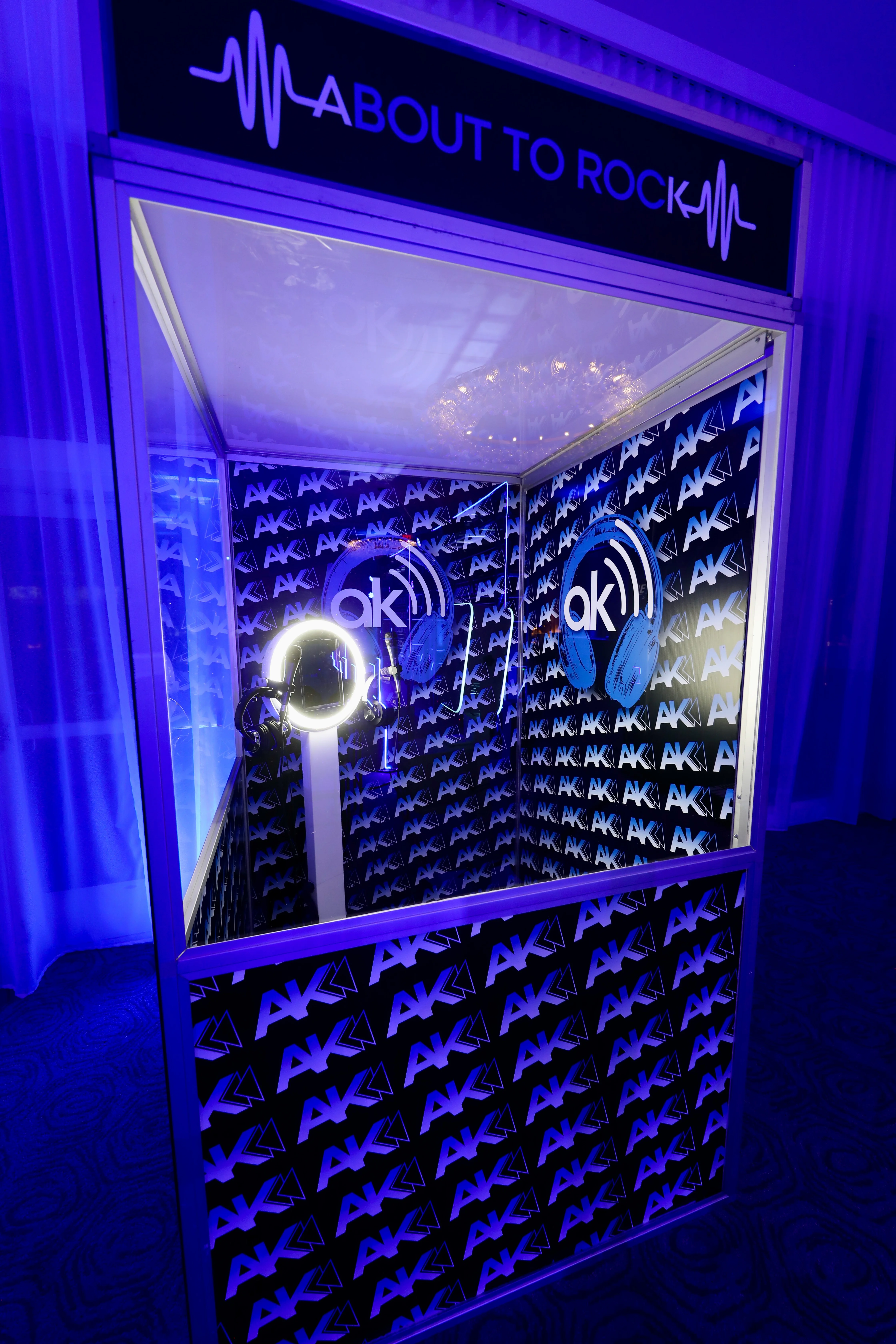
Entertainment and production come next, typically 15-25% of your budget. This includes your DJ or band, MC services, dancers or performers, photo booths, arcade games, and the production elements that create atmosphere: custom lighting, LED screens, stage setup, and sound systems. At this budget level, you’re not just hiring a DJ. You’re creating an immersive experience.
Photography and videography usually account for 10-15%. You want professionals who understand the flow of a bar mitzvah, who know when the important moments happen, and who can capture both the ceremony’s spiritual significance and the party’s energy.
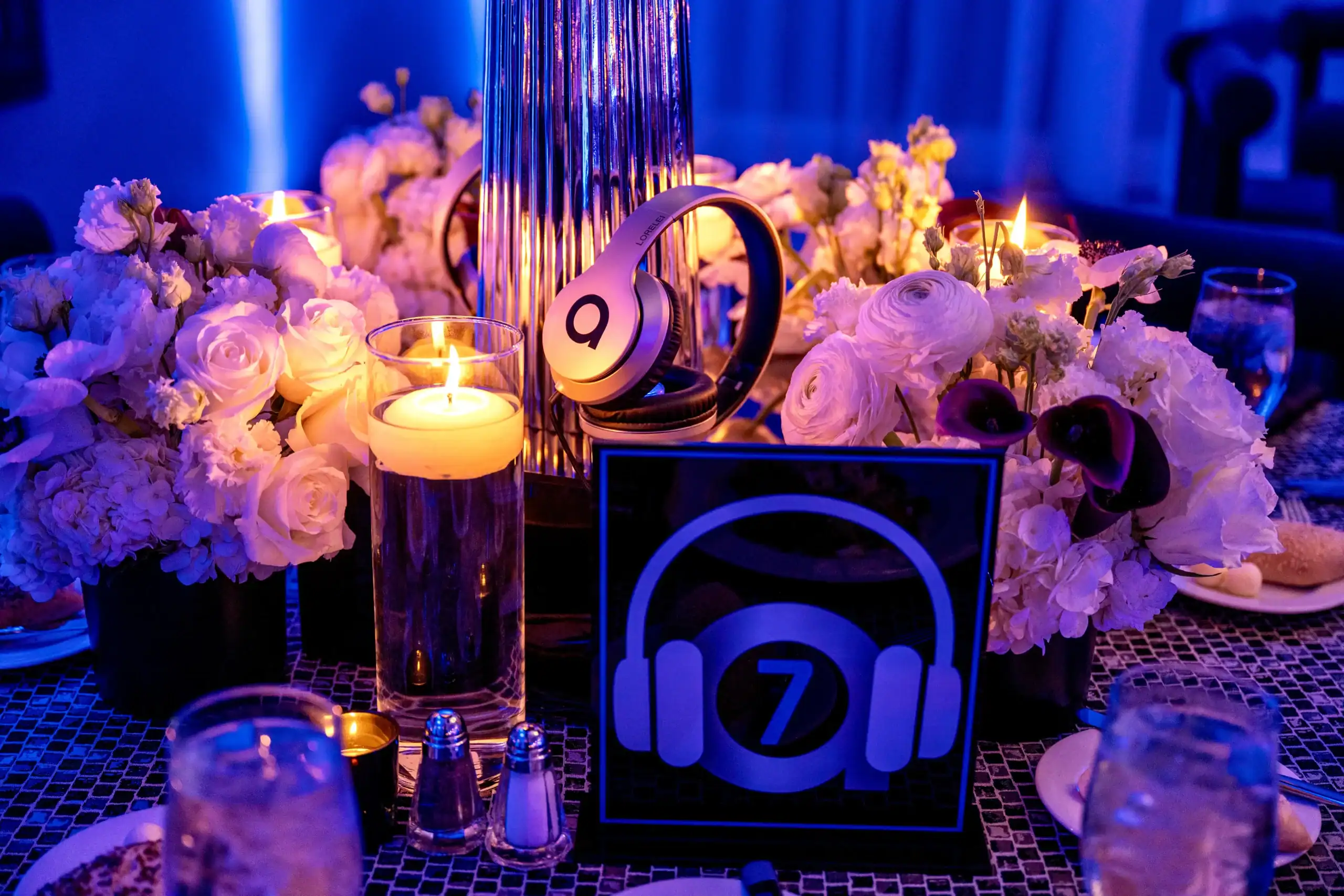
Décor and design might be 8-12%, covering everything from centerpieces and linens to custom signage, lounge furniture rentals, and dance floor wraps. This is where families often overspend. Beautiful décor matters, but it shouldn’t eclipse your investment in the elements guests actually interact with.
Invitations, save-the-dates, programs, menus, and thank-you cards take another 3-5%. Custom design work and premium printing add up, especially when you’re mailing to 150-200 households.
Then there’s the planner. Professional bar mitzvah party management typically runs 5-10% of your total budget, or $4,000 to $15,000 depending on the scope of services. That might sound like a lot until you consider what you’re actually buying: vendor contract negotiation, timeline coordination, budget oversight, design guidance, and day-of execution that lets you be a guest at your own event.
The remaining budget covers attire, hair and makeup, transportation, favors, and the inevitable miscellaneous expenses that pop up in the final weeks.
Even experienced families make budget mistakes when they’re planning at this level. Here’s what to watch for.
First, underestimating the true cost of “all-inclusive” venue packages. Many Nassau County venues advertise package pricing that sounds comprehensive until you read the contract. Overtime fees if your event runs past the contracted end time. Service charges and gratuities that aren’t included in the quoted per-person rate. Restrictions on outside vendors that force you to use their preferred caterer or florist at premium pricing. Electrical or AV upgrades needed to support your entertainment setup. These line items can add $10,000 to $20,000 to your final bill.
Second, choosing vendors based on price rather than proven reliability. When you’re planning a $150,000 celebration, saving $2,000 by hiring a photographer with less experience or a DJ who “seems fine” is false economy. The risk isn’t worth the savings. You can’t redo your child’s bar mitzvah if the photographer misses key moments or the entertainment falls flat.
Third, failing to track expenses in real time. It’s easy to lose sight of where you are relative to budget when you’re signing contracts months apart. A detailed spreadsheet updated after every deposit, every contract signing, every payment keeps you honest. Without it, families often discover they’re $20,000 over budget with two months to go and limited ability to course-correct.
Fourth, not building in a contingency. Things change. You decide you want upgraded linens. Your guest count increases by 15%. The venue requires additional security you didn’t anticipate. A 10% buffer, or $15,000 on a $150,000 budget, gives you room to adapt without stress.
Fifth, underinvesting in day-of coordination. Some families think they can manage logistics themselves to save money. But on the day of your child’s bar mitzvah, you should be present, not troubleshooting vendor arrivals or managing timeline changes. Professional Nassau County mitzvah services aren’t a luxury at this budget level. They’re essential.
The families who get this right are the ones who treat their bar mitzvah budget like a business investment. They know what they’re buying, they understand the trade-offs, and they work with professionals who help them allocate strategically rather than emotionally.
Want live answers?
Connect with a Debbie Hart Celebrations expert for fast, friendly support.
Vendor contracts are where luxury bar mitzvah planning gets real. These aren’t simple agreements. They’re legal documents designed to protect the vendor’s interests, and if you’re not reading carefully, you’re exposed to risks that could cost you thousands or leave you with limited recourse if something goes wrong.
Most families don’t have legal training, and even those who do might not catch the specific pitfalls common in event contracts. Cancellation policies that forfeit your entire deposit if you need to reschedule. Force majeure clauses that protect the vendor but not you. Vague language around what’s actually included in the quoted price. Payment schedules that require large deposits months in advance with no refund provisions.
This is where having an experienced bar mitzvah planner Nassau NY professional matters. We’ve reviewed hundreds of these contracts. We know which clauses are standard and which are red flags. And we know how to negotiate terms that level the playing field.
Let’s walk through the key provisions you need to understand before signing anything.
Start with the scope of services. What exactly is the vendor providing? For a venue, does the contract specify room rental hours, setup and breakdown time, included furniture and equipment, and any restrictions on décor or outside vendors? For a caterer, does it detail the menu, service style (plated, buffet, stations), staffing levels, china and glassware quality, and whether cake cutting or Kiddush service is included? Vague language like “full-service catering” or “complete event coordination” means nothing. You need specifics.
Next, examine the payment schedule and deposit terms. Most vendors require a deposit to hold your date, often 25-50% of the total contract value. That’s standard. What’s not standard, and what you should negotiate, is what happens to that deposit if you need to cancel or reschedule. Many contracts state that deposits are non-refundable under any circumstances. But what if the venue becomes unavailable due to damage or closure? What if there’s a family emergency? What if the vendor goes out of business? You want language that protects your deposit if the cancellation is due to circumstances beyond your control or if the vendor fails to perform.
Cancellation and rescheduling policies deserve close attention. Understand the timeline. If you cancel 12 months out, do you forfeit just the deposit or the entire amount paid to date? If you need to reschedule, will the vendor work with you to find a new date, and will your payments transfer? Some contracts include force majeure clauses that excuse the vendor from performance due to “acts of God” or events beyond their control, but offer you no comparable protection. Push back on one-sided language.
Insurance and liability provisions matter more than most families realize. Does the venue require you to carry event insurance? Are you liable for damage to the property beyond normal wear and tear? If a guest is injured, who’s responsible? Some venues require you to sign broad liability waivers that expose you to significant risk. Read these sections carefully and consider whether you need your own event insurance policy.
Overtime and additional fees are where surprise costs often hide. What happens if your event runs past the contracted end time? Many venues charge $500 to $1,000 per hour for overtime, and that clock starts ticking the minute you go over. What about fees for additional electrical capacity, AV equipment, or staffing? Are gratuities and service charges included in the quoted price, or are they added on top? A contract that quotes $200 per person might actually cost $240 per person once mandatory gratuities and service charges are applied. When you’re managing a high-end mitzvah budget, these details determine whether you stay on track or blow past your target.
Vendor guarantees and substitutions are critical for services like entertainment, photography, and planning. If you’re hiring a specific DJ or photographer, does the contract guarantee that person will actually show up, or does it allow the company to send a substitute? If a substitute is permitted, do you have approval rights? What happens if the vendor you hired is unavailable due to illness or emergency?
Finally, understand the dispute resolution and governing law provisions. If something goes wrong and you can’t resolve it directly, how will disputes be handled? Some contracts require arbitration or mediation rather than allowing you to sue. Others specify that disputes will be governed by laws in a different state, which can complicate your ability to pursue legal action.
This might sound overwhelming, but you don’t have to navigate it alone. We review these contracts as part of our service, flag problematic language, and negotiate terms that protect your interests. That’s not just convenient. At this budget level, it’s essential.
A luxury bar mitzvah in Nassau County typically involves 10 to 15 different vendors, all of whom need to show up at the right time, in the right place, with the right equipment, and execute their piece of the event flawlessly. That level of coordination doesn’t happen by accident.
Start by vetting vendors before you ever sign a contract. Reviews and referrals matter, but they’re not enough. You want to see portfolios of recent work, ideally from events similar in scale and style to what you’re planning. You want to meet the actual people who will be working your event, not just the salesperson. And you want references from recent clients, people you can call to ask specific questions about reliability, professionalism, and how the vendor handled unexpected challenges.
Ask about backup plans. What happens if the photographer gets sick? Does the company have a second shooter who can step in? What if the DJ’s equipment fails? Do they bring backup gear? What if your florist can’t source the specific flowers you requested? Do they have alternatives that fit your vision? Vendors who’ve been in business for years have contingency plans. New or inexperienced vendors often don’t.
Understand how vendors work together. Your caterer needs to coordinate with your venue on kitchen access and timing. Your entertainment needs to coordinate with your photographer and videographer on key moments like the candle lighting ceremony or hora. Your florist needs to coordinate with your rental company on table sizes and setup logistics. If these vendors don’t communicate, you get delays, conflicts, and a disjointed guest experience.
This is where professional mitzvah party management becomes invaluable. We create a master timeline that every vendor receives and follows. We conduct pre-event meetings where vendors meet each other, walk through the space, and identify potential conflicts before event day. We serve as the single point of contact, so vendors aren’t calling you with questions in the final week when you should be focused on your child’s Torah preparation.
On the day of the event, coordination shifts from planning to execution. We’re on-site early, confirming vendor arrivals, overseeing setup, troubleshooting any issues that arise, and ensuring the timeline flows smoothly. When the florist arrives 30 minutes late, we handle it. When the caterer needs to adjust the buffet layout, we make the call. When the DJ wants to know whether to extend the hora or move into the next segment, we decide based on the energy in the room.
You don’t see any of this. You’re greeting guests, celebrating with family, and watching your child step into this milestone with pride. That’s what you’re paying for when you invest in professional coordination. Not just vendor management, but the freedom to be fully present.
Planning a $150,000 bar mitzvah in Nassau County is a significant investment, and you should expect significant returns. Not just a beautiful event, but a celebration that honors your child’s achievement, reflects your family’s values, and creates memories that last long after the last dance.
The families who get this right are the ones who approach planning strategically. They understand their budget and allocate it intentionally. They read contracts carefully and negotiate terms that protect their interests. They vet vendors thoroughly and choose proven professionals over cheaper alternatives. And they recognize that professional coordination isn’t an added expense, it’s the foundation that makes everything else work.
You don’t have to figure this out alone. We’ve spent over 25 years helping Nassau County families navigate exactly these challenges, managing luxury bar mitzvah budgets, coordinating premium vendors, and executing flawless celebrations that let families focus on what matters most.
Summary:
Article details:
Share: