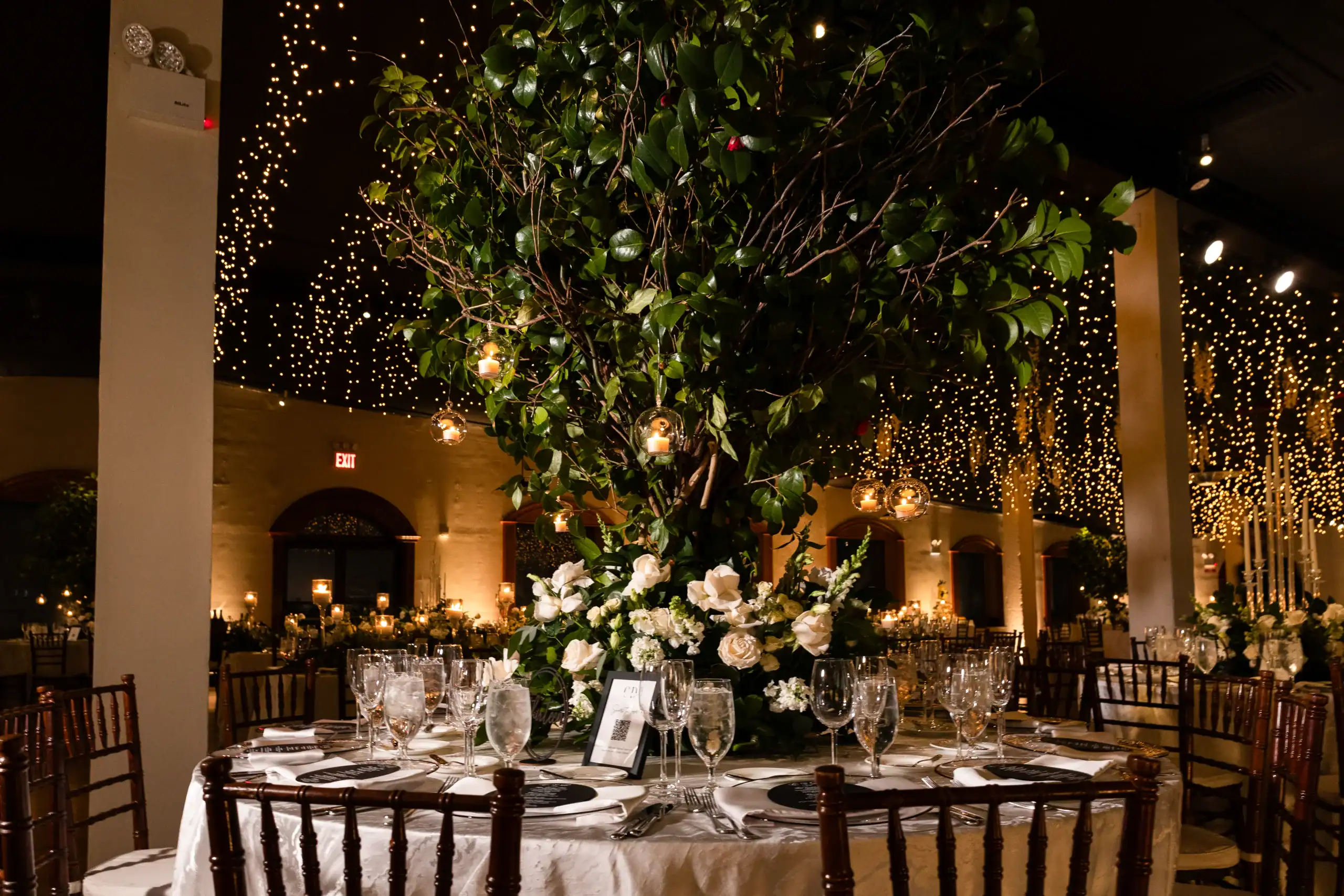
Finding the right wedding planner means more than just hiring help. It's about finding someone who gets your vision, knows the vendors, and can handle the stress so you don't have to.
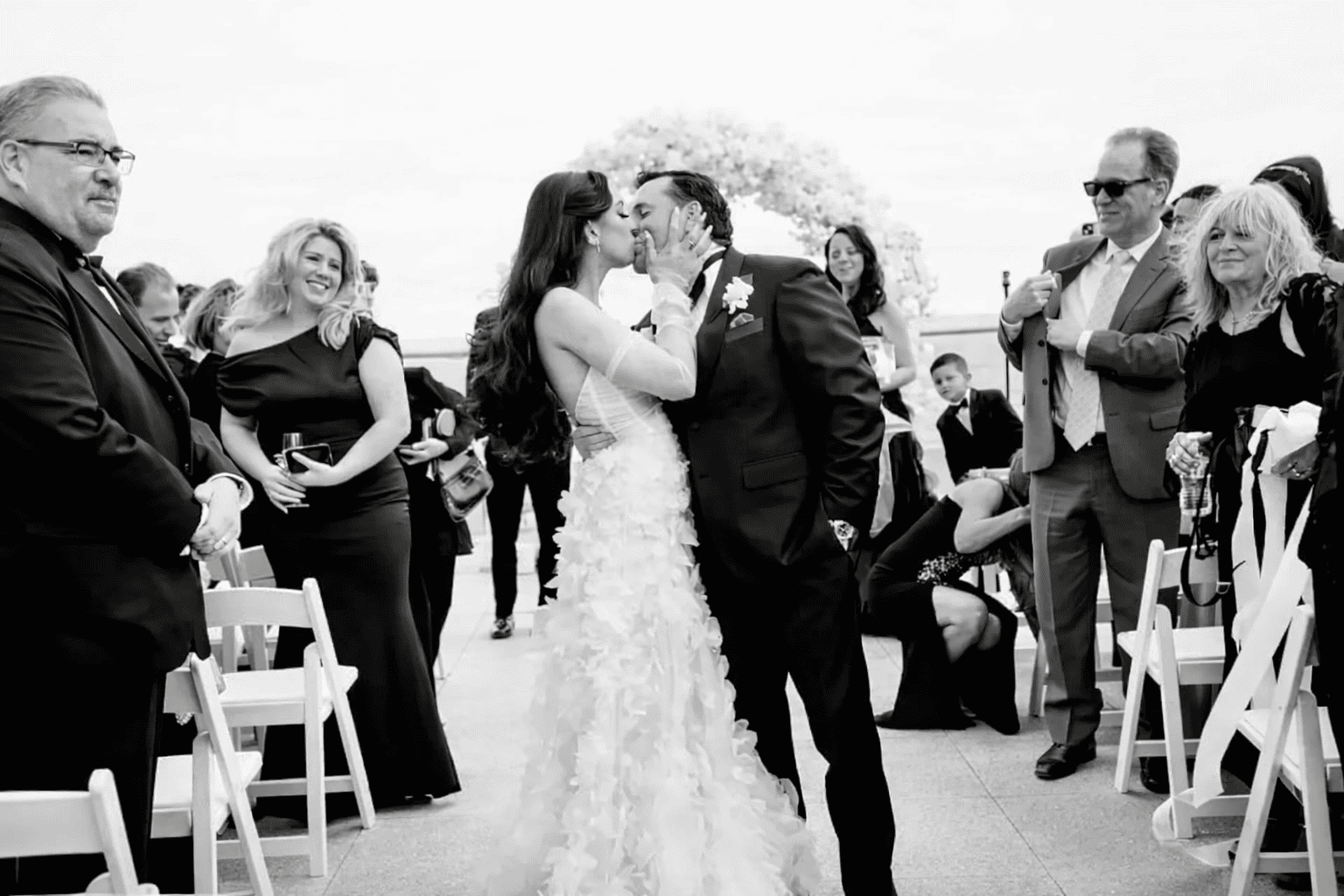
A wedding planner isn’t just there to make your Pinterest board come to life. We’re project managers, negotiators, problem-solvers, and sometimes therapists, all rolled into one. Our job is to take the chaos of planning a wedding and turn it into something manageable—so you can focus on what actually matters.
We handle vendor research and coordination. We create detailed timelines that keep everyone on track. We review contracts so you don’t get stuck with hidden fees or unfavorable terms. On the day itself, we’re the ones making sure your florist shows up on time, your caterer knows the dietary restrictions, and your ceremony starts when it’s supposed to. You get to show up and be present while someone else handles the logistics behind the scenes.
The best event planners do more than just execute tasks. We anticipate problems before they happen and solve them before you even know there was an issue. That’s the difference between someone who’s been doing this for years and someone who’s still figuring it out.

Not all wedding planning services are the same, and knowing the difference can save you time, money, and a lot of frustration down the road. Full-service planning means your planner is with you from day one. We help you set a realistic budget, find your venue, recommend and book vendors, manage your timeline, design the overall aesthetic, and coordinate everything leading up to and including your wedding day. This is the option for couples who want comprehensive support through the entire process or who don’t have the time to manage it themselves. It’s also ideal if you’re planning a wedding in Long Island & NYC but don’t live locally and need someone with boots on the ground.
Day-of coordination, on the other hand, is for couples who’ve done most of the legwork themselves but want a professional to take over when it’s time to execute. Your coordinator typically steps in about four to six weeks before the wedding, reviews your plans, connects with your vendors, finalizes the timeline, and runs the show on the actual day. Think of it as hiring a quarterback for the final game after you’ve done all the training. You’ve made the decisions, but you need someone to make sure they all happen smoothly.
Then there’s partial planning, which sits somewhere in the middle. Maybe you’ve booked your venue and photographer but need help with everything else. Or perhaps you’re great at the creative stuff but terrible at logistics. A partial planner fills in the gaps based on what you actually need. Some couples use this option to get vendor recommendations and contract negotiations handled while staying involved in the design and details.
The key is being honest about how much help you actually need. If you’re already losing sleep over seating charts and vendor emails, full-service might be worth every penny. If you’re organized but don’t want to be the one chasing down your DJ or setting up place cards on your wedding day, coordination is probably enough. There’s no shame in admitting you need more help than you thought. Most couples do once they realize just how much goes into planning a wedding.
Anyone can call themselves a wedding planner or event planner. What separates the pros from the amateurs is experience and connections. A planner who’s been doing this for years has seen it all—the vendor who shows up late, the venue that double-books, the weather that doesn’t cooperate, the family drama that erupts right before the ceremony. We know how to handle it because we’ve handled it before. We don’t panic. We pivot.
But experience alone isn’t enough. The real value is in our vendor network. A seasoned Long Island wedding planner has relationships with florists, caterers, photographers, rental companies, and entertainment professionals who we trust. These aren’t random names pulled from a Google search. These are vendors we’ve worked with on dozens of events, who we know will show up on time, deliver quality work, and handle problems professionally without creating more stress for you.
Those relationships also work in your favor when it comes to pricing and availability. Vendors are more likely to go the extra mile for a planner they’ve worked with before. They’re also more likely to be flexible with timing, offer better communication, or even provide preferential rates because they value the ongoing partnership. That’s not something you can replicate by cold-calling vendors yourself as a one-time client.
A planner with deep roots in Long Island & NYC knows which venues have quirks that need to be planned around. We know which caterers are reliable and which ones overpromise. We know which rental companies have the best inventory and which photographers are worth their rates. That local knowledge is invaluable, especially if you’re not familiar with the Long Island wedding market.
When you’re interviewing potential wedding planners, ask how long they’ve been working in your area specifically. Ask how many weddings they’ve coordinated at your venue. Ask for examples of how they’ve handled last-minute issues or vendor problems. Their answers will tell you whether they’re someone who can actually deliver under pressure or someone who’s still figuring it out on your dime.
Want live answers?
Connect with a Debbie Hart Celebrations expert for fast, friendly support.
Choosing a wedding planner isn’t like hiring a contractor to fix your roof. This is someone you’ll be talking to regularly for months, someone who needs to understand your vision, your budget, and your priorities. You need to know they’re the right fit before you sign anything or hand over a deposit.
Start by looking at their portfolio. Do their past events match the style and scale of what you’re planning? If you’re going for an intimate garden ceremony and their portfolio is full of grand ballroom extravaganzas, that’s a mismatch. Pay attention to the details in their work—the way they handle design, the flow of their timelines, the overall execution. Does their aesthetic align with yours?
Then talk to them. A consultation should feel like a conversation, not a sales pitch. Are they asking you questions about your relationship, your priorities, your concerns? Or are they just telling you what they can do? The best wedding planners listen first. We want to understand what matters most to you before we start proposing solutions.
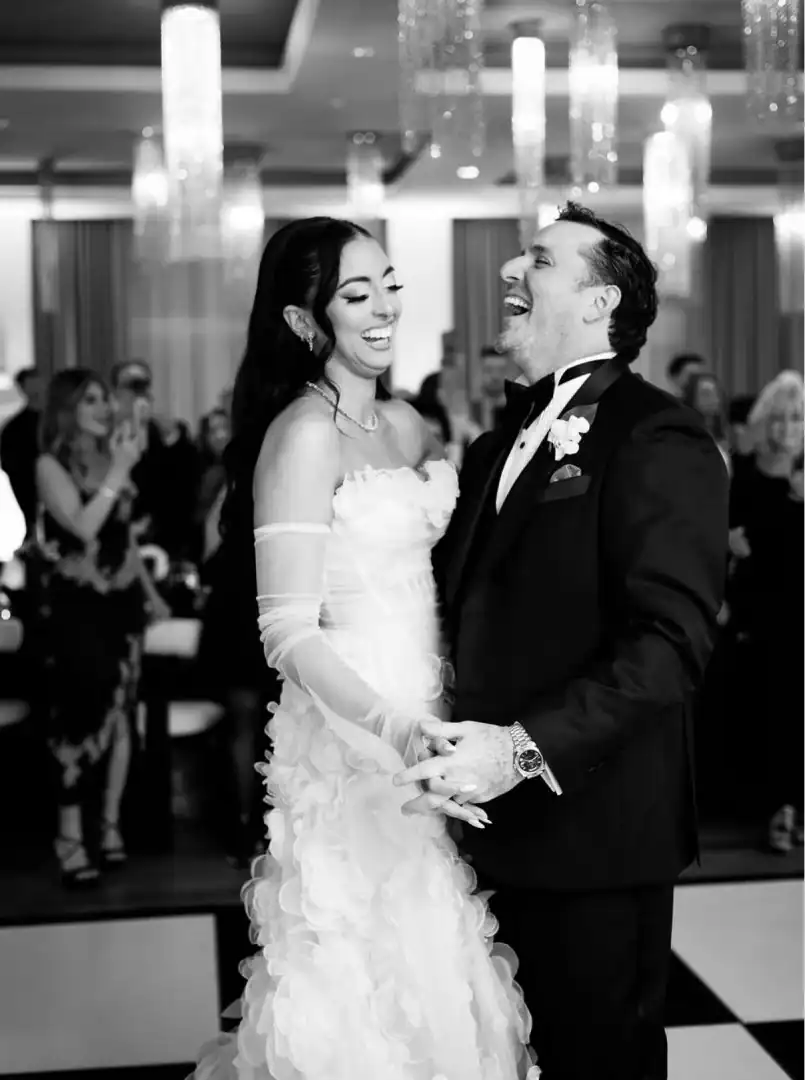
You’re not just hiring someone to plan a party. You’re hiring someone to manage one of the most important days of your life. That means you need to ask the right questions upfront so there are no surprises later. Don’t be afraid to dig deep—this is your wedding, your money, and your peace of mind on the line.
Start with the basics. How many weddings do they typically handle at once? If they’re juggling five weddings the same month as yours, how much attention will you actually get? How do they prefer to communicate—email, phone, text, video calls? How often will you hear from them during the planning process? What happens if they get sick or have a family emergency on your wedding day? Do they have a backup coordinator who’s familiar with your plans?
Then get into the logistics. Will they be the one on-site the day of your wedding, or will it be an assistant or associate planner? If it’s someone else, do you get to meet them beforehand and feel confident in their abilities? How do they handle vendor coordination—do they create a master timeline and distribute it to everyone, or do you have to manage that yourself? What’s included in their fee and what costs extra? Are there charges for additional meetings, phone calls, or site visits?
Ask about their vendor relationships. Do they have a preferred vendor list? Are you required to use those vendors, or can you bring in your own? Do they receive commissions or kickbacks from vendors they recommend? You want transparency here because it affects both your budget and your options. A planner who’s upfront about how they work with vendors is far more trustworthy than one who’s evasive about it.
Finally, ask for references. Not just names on a website, but actual conversations with past clients. What did they love about working with this planner? What would they have done differently? Did anything go wrong during the planning process or on the wedding day, and if so, how did the planner handle it? Real feedback from real couples will tell you more than any polished website or Instagram feed ever could. If a planner hesitates to provide references or only offers scripted testimonials, that’s a red flag worth paying attention to.
Not every wedding planner is going to be a good fit for you, and some aren’t worth your time or money at all. Knowing what to avoid can save you from a costly mistake, unnecessary stress, or a wedding day that doesn’t go as planned.
If a planner is vague about pricing, that’s a red flag. You should get a clear breakdown of what’s included in their fee and what isn’t. Surprises are great for birthday parties, not for wedding budgets. If they’re dodging questions about costs or saying “we’ll figure it out later,” walk away. The same goes for contracts. If they’re reluctant to put things in writing or their contract is full of loopholes and unclear language, that’s a problem waiting to happen. Everything should be spelled out—services, costs, timelines, cancellation policies, and what happens if something goes wrong.
Pay attention to how they communicate during the consultation process. If they’re slow to respond to your initial inquiry, hard to reach for scheduling, or dismissive of your questions now, it’s only going to get worse once you’ve signed a contract and paid a deposit. Communication is everything in event planning services. If it’s not working before you’ve even hired them, it won’t magically improve later when you’re stressed and need answers quickly.
Be wary of planners who push you toward specific vendors without explaining why or who won’t consider alternatives. Yes, they should have vendor recommendations based on their experience, but they should also be open to your ideas and willing to work with vendors you’ve already chosen or researched. If they insist you have to use their people or they won’t take you on as a client, that’s a sign they’re more interested in their commissions and referral relationships than your actual vision and budget.
Watch out for planners who overpromise or guarantee things that are unrealistic. No one can promise perfect weather, that every vendor will be flawless, or that your wedding will go exactly as planned with zero hiccups. What we can promise is that we’ll handle problems professionally, communicate clearly, and work hard to make your day as smooth as possible. If someone is making guarantees that sound too good to be true, they probably are.
Finally, trust your gut. If something feels off—if they’re not listening, if they’re more focused on their portfolio than your priorities, if the relationship doesn’t feel collaborative—don’t ignore it. You’re going to be working with this person for months leading up to one of the most important days of your life. If the relationship doesn’t feel right from the start, it’s not going to get better under pressure.
Choosing the right wedding planner comes down to more than just credentials or a pretty portfolio. It’s about finding someone who understands what you’re trying to create, who has the experience and vendor relationships to pull it off, and who you actually trust to handle the details so you don’t have to lose sleep over them.
Look for someone with a solid vendor network built over years of working in Long Island & NYC. Look for clear communication, transparent pricing, and a willingness to listen before they start pitching solutions. Ask the tough questions during your consultation. Check their references and actually talk to past clients. Pay attention to how they make you feel—because if they’re adding to your stress before you’ve even hired them, imagine what the planning process will be like.
Your wedding day should be about you and your partner, not about managing logistics, fielding vendor calls, or putting out fires. The right planner makes that possible by handling everything behind the scenes so you can be fully present for the moments that matter. If you’re looking for a Long Island wedding planner who brings decades of experience, deep vendor relationships, and a calm, personalized approach to every celebration, we’ve been helping couples and families create unforgettable events for over twenty years at Debbie Hart Celebrations.
Summary:
Article details:
Share: